Evidence-Based Parkinson’s Research: How SPEAK OUT! Therapy and LOUD Crowd Significantly Improves Communication
When you're living with Parkinson's disease, the gradual changes to your voice and speech can feel frustrating and isolating. You know what you want to say, but getting others to hear and understand you becomes increasingly difficult.
But there’s hope.
A groundbreaking Parkinson’s study published in June 2024 in the American Journal of Speech-Language Pathology offers encouraging news about a therapy approach that's making a real difference for people facing these challenges.
The research examined how combining SPEAK OUT! individual therapy with LOUD Crowd group sessions affects communication outcomes in Parkinson's disease.
What they found challenges some traditional assumptions about speech therapy and points toward what truly matters: a person’s ability to participate in conversations and stay connected to the people and activities they value.
What This Parkinson’s Study Examined
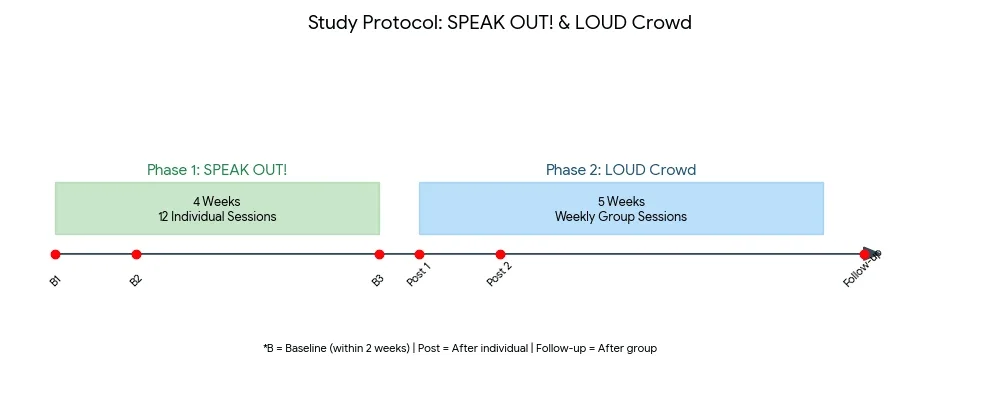
Researchers at Northeastern University looked at six adults with Parkinson's disease who completed the full SPEAK OUT! protocol: 12 individual therapy sessions across four consecutive weeks, followed by group-based LOUD Crowd sessions for five consecutive weeks.
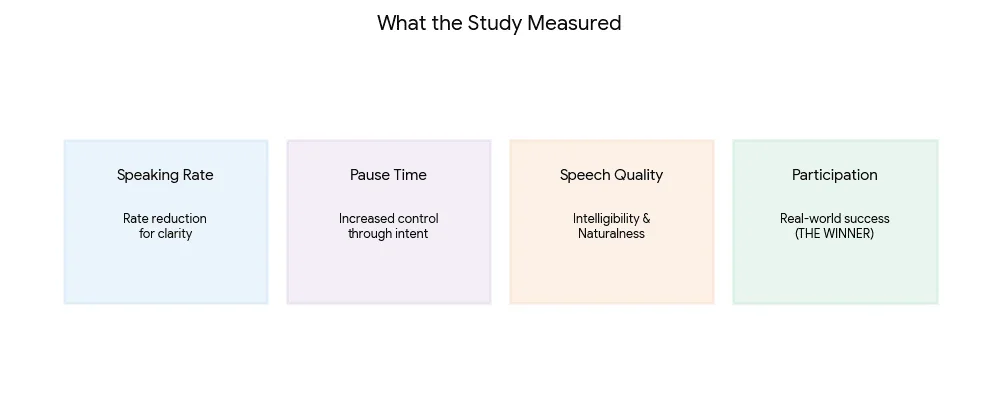
The study measured traditional clinical markers like speaking rate, pause time, intelligibility, and naturalness, and importantly, assessed whether people felt more able to communicate in their daily lives.
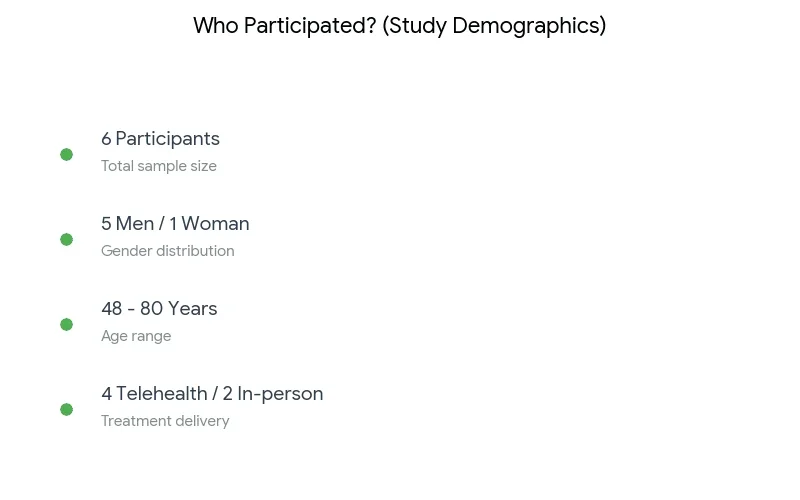
The participants ranged in age from 49 to 80 years old, with varying severities of Parkinson's disease. Three participants had moderate dysarthria severity ratings, while three had mild-to-moderate ratings.
Most therapy sessions were conducted via telehealth, making this the first study to demonstrate positive effects of SPEAK OUT! delivered remotely.
If you or a loved one is experiencing speech or voice changes related to Parkinson's disease, Nina Minervini, M.S., CCC-SLP, offers specialized SPEAK OUT! certified therapy in Palm Beach County.
Contact Palm Beach Speech Therapy to learn how this evidence-based approach can help you communicate more confidently.
The Key Finding: Communicative Participation Significantly Improved
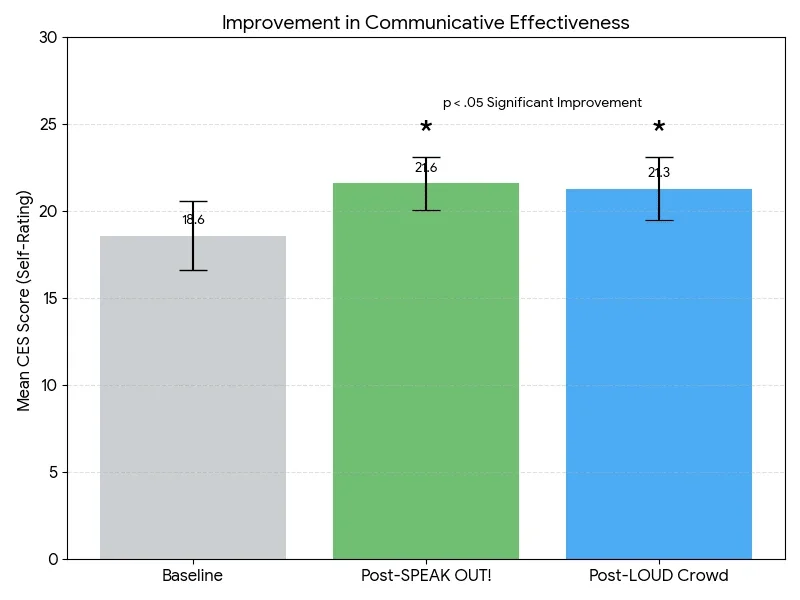
Here's what matters most from this 2024 research: participants showed statistically significant improvements in their communicative participation scores following completion of the SPEAK OUT! and LOUD Crowd treatment program. This outcome showed significant change at the group level.
The study used the Communicative Effectiveness Survey (CES), a validated eight-item self-rating scale where participants rate their overall communication effectiveness in various settings (quiet environments, via telephone, noisy settings) and with different communication partners (familiar listeners, family members, strangers).
At the group level, CES scores showed a borderline statistically significant improvement from baseline to post-treatment.
When researchers looked more deeply using statistical modeling, they found that CES scores were significantly higher both immediately after completing SPEAK OUT! and at follow-up after five weeks of LOUD Crowd sessions, compared to before treatment began.
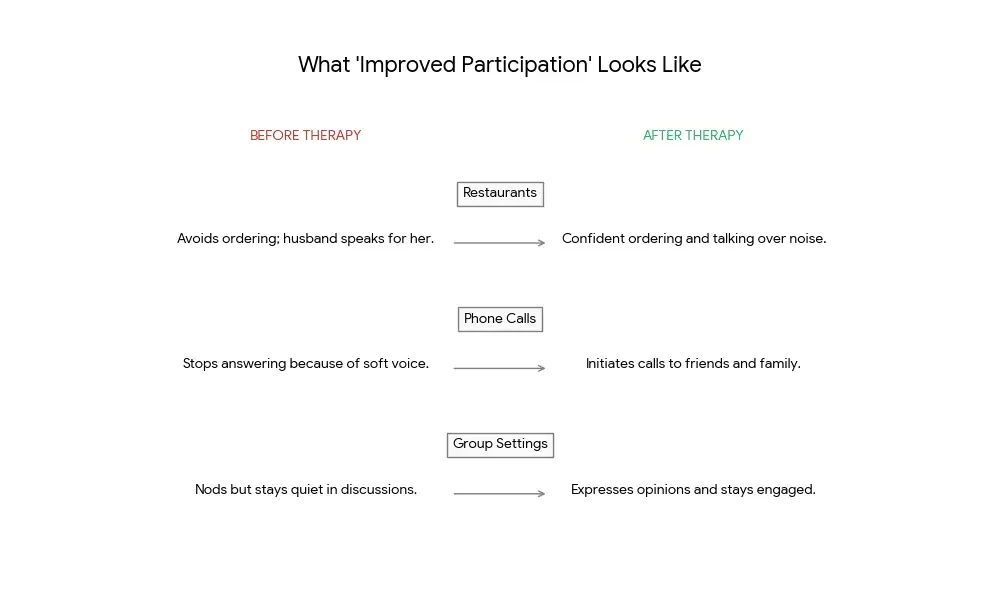
This is crucial because it reflects what speech therapy should ultimately accomplish: not just making measurable changes in a clinic setting, but helping you stay engaged in your life.
The ability to participate in conversations at family dinners, speak up at your book club, order food at a restaurant, or chat with your neighbors represents what quality of life actually looks like day to day.
Individual Differences: Three Participants Showed Large Gains
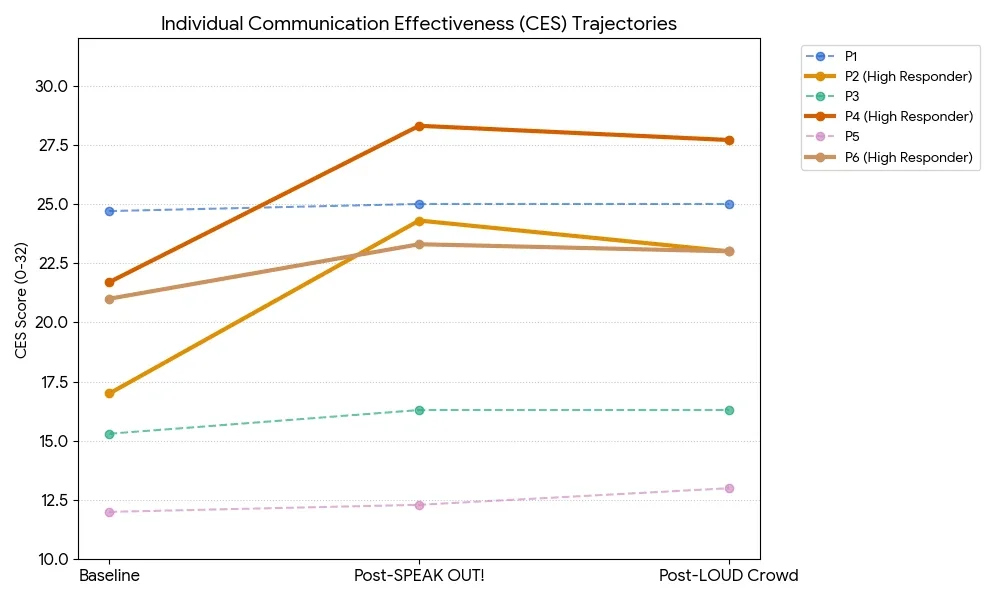
While the group showed overall improvement, individual patterns varied.
Three participants (identified as P2, P4, and P6 in the study) showed particularly large positive changes in their CES scores from before to after treatment.
The other three participants' CES scores remained relatively stable across treatment.
This individual variability is important and reflects the reality that Parkinson's disease affects different people differently, and the way therapy helps may be unique to your situation.
Interestingly, the study also found that dysarthria severity affected CES scores.
Participants with moderate dysarthria had significantly lower CES scores overall compared to those with mild-to-moderate dysarthria.
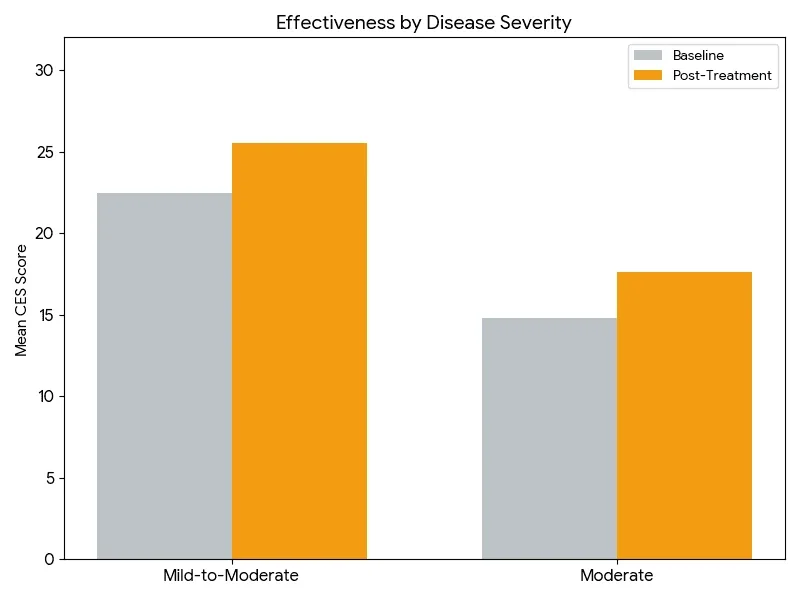
However, descriptively, participants with moderate dysarthria showed greater gains in CES scores than those with milder symptoms, suggesting that people with more pronounced speech difficulties may experience particularly meaningful benefits from this treatment approach.
Understanding the Clinical Measurements: Speaking Rate and Pausing
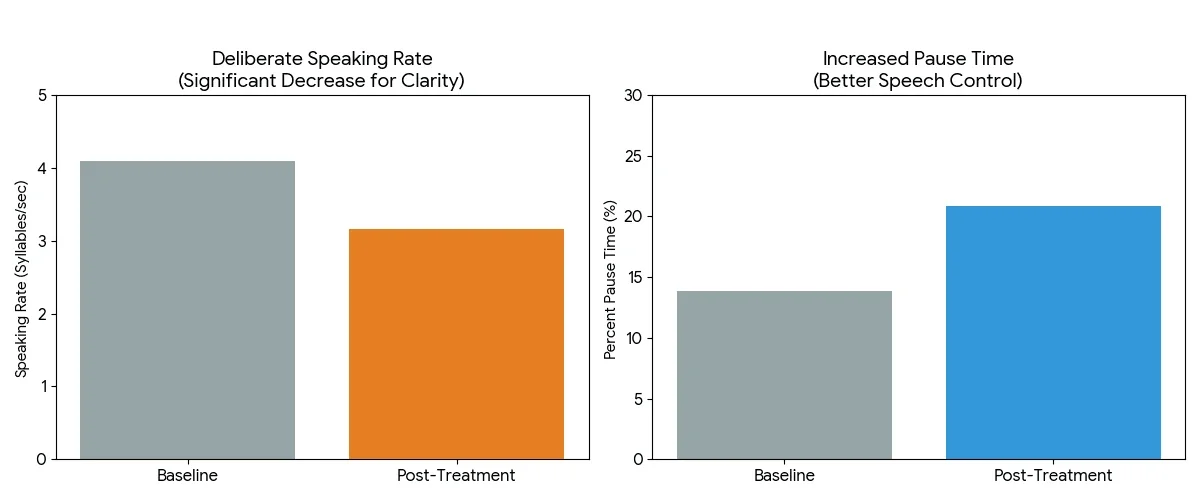
The study also looked at specific speech parameters to understand what was changing mechanically.
The results here revealed interesting individual variation rather than across-the-board changes:
Two participants (P2 and P4) showed statistically significant decreases in speaking rate following SPEAK OUT! treatment.
P2's speaking rate on sentence reading decreased from an average of 4.09 syllables per second at baseline to 3.16 syllables per second after treatment.
For paragraph reading, P2 slowed from 166 words per minute to 122 words per minute, while P4 decreased from 186 words per minute to 171 words per minute.
These changes are meaningful because both participants had faster-than-typical speaking rates at baseline.
A typical adult speaking rate averages around 4.38 syllables per second or 150-160 words per minute. By slowing down toward a more typical rate, these participants likely improved their clarity and gave listeners more time to process their speech.
Corresponding with their decreased speaking rate:
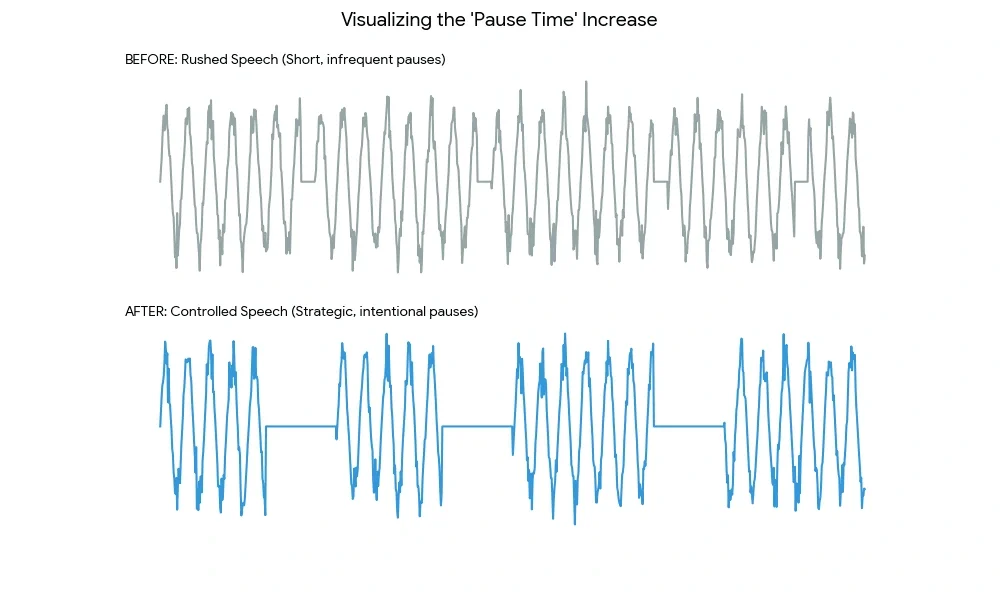
P2 and P4 also showed statistically significant increases in percent pause time (the percentage of total reading time spent pausing).
P2's pause time increased from approximately 14% at baseline to 21% after treatment, while P4's increased from 14% to 16%.
Longer, more intentional pauses between phrases can improve speech clarity and give listeners time to process what's being said.
This change reflects the "intentional speech" approach of SPEAK OUT!, where participants learn to consciously control their speech production rather than relying on automatic patterns affected by Parkinson's.
Nina Minervini's Parkinson's Speech & Swallow Program includes individual SPEAK OUT! therapy. She understands that maintaining your communication abilities requires a long-term approach, not just a short course of therapy. Schedule a consultation to learn about comprehensive treatment options.
Why Some Participants Changed and Others Didn't
The study highlights an important clinical reality: not everyone with Parkinson's has the same speech challenges or responds to therapy in the same way.
Individual speaking rates among the six participants ranged from 3.46 to 4.75 syllables per second at baseline.
P4, who had a rapid baseline speaking rate of 4.75 syllables per second, showed a significant decrease toward a more typical rate following treatment.
P2, whose baseline rate was also slightly fast, showed an even larger reduction.
Because these participants had rapid rates at baseline, their changes suggest improvement toward more typical speech.
The study also suggests that people with Parkinson's who have a rapid baseline speaking rate may be more likely to show measurable change in their speaking rate through the use of intentional speech strategies.
For participants whose speaking rate was already within or below the typical range at baseline, maintaining that rate rather than changing it may have been the appropriate outcome.
The focus of SPEAK OUT! on intentional speech doesn't mean everyone needs to speak more slowly; it means learning to consciously control speech in whatever way improves clarity and participation.
Intelligibility and Naturalness: Why They Didn't Change Significantly
In contrast to communicative participation, listener ratings of speech intelligibility and naturalness did not show significant changes across the treatment period.
For intelligibility, this was largely due to a ceiling effect. At baseline, all but one participant had intelligibility scores at or above 90%, based on unfamiliar listeners' ability to transcribe their sentences correctly.
When intelligibility is already quite high, there's little room for measurable improvement on this particular test.
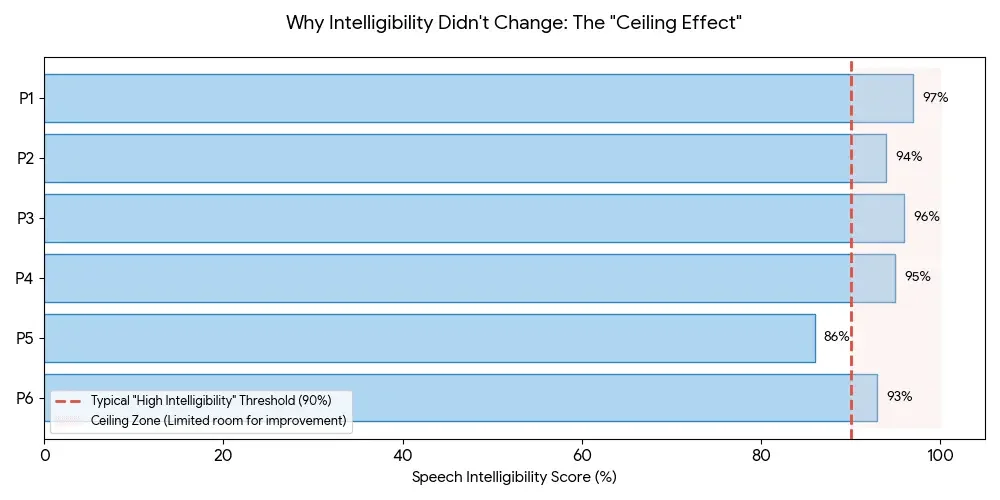
This doesn't mean the participants didn't have communication difficulties. Despite high transcription scores, some participants reported low communicative participation on the CES before treatment, indicating that real-world communication challenges existed beyond what simple word-level transcription could capture.
Listener ratings of speech naturalness (how typical speech sounds in terms of rate, rhythm, and intonation) were variable across time points and showed no significant improvement at the group level.
One participant actually showed a decline in naturalness ratings, which could potentially be related to their decreased speaking rate and increased pausing.
While these changes may have improved clarity, listeners perceived them as making speech sound less natural.
However, the lack of improvement in naturalness ratings may also be partially due to the type of speaking task used.
The study measured naturalness during a structured reading passage, which tends to elicit a more formal speaking style than conversational speech. It's possible that changes in naturalness during spontaneous conversation weren't captured by this measurement approach.
What Makes SPEAK OUT! Different from Other Approaches
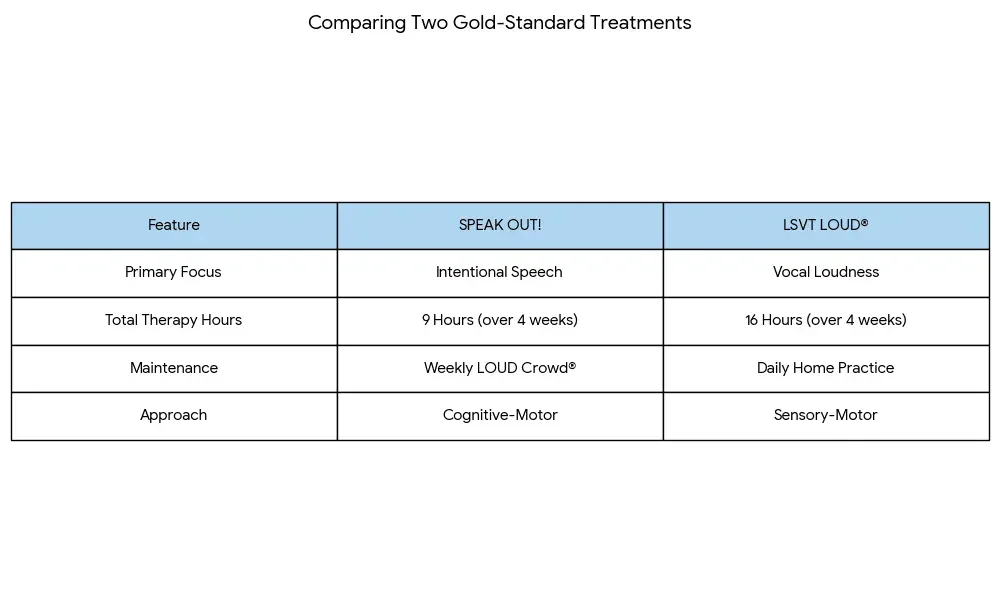
While this 2024 study focused specifically on SPEAK OUT! and LOUD Crowd, it's worth understanding what distinguishes this approach from other speech therapy methods for Parkinson's disease.
The most well-known speech treatment for Parkinson's is LSVT LOUD, an intensive 16-hour standardized program that primarily targets increasing vocal loudness by increasing phonatory effort.
LSVT has strong research support and can be very effective, particularly when reduced loudness is the primary concern.
SPEAK OUT! takes a somewhat different approach.
While it addresses vocal loudness, it places greater emphasis on intentional speech production.
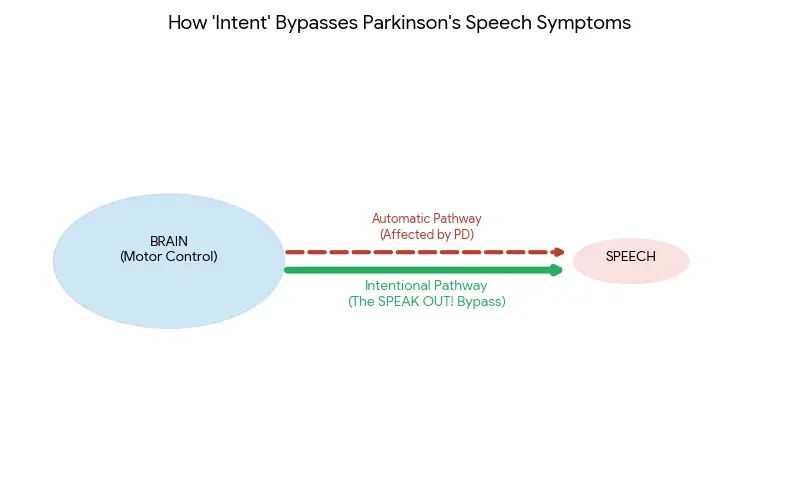
The core concept is teaching you to consciously override the automatic motor patterns affected by Parkinson's by engaging cognitive intent with every utterance.
Rather than focusing primarily on speaking louder, SPEAK OUT! helps you develop an awareness of what purposeful, intentional speech feels like and how to activate that quality across different communication situations.
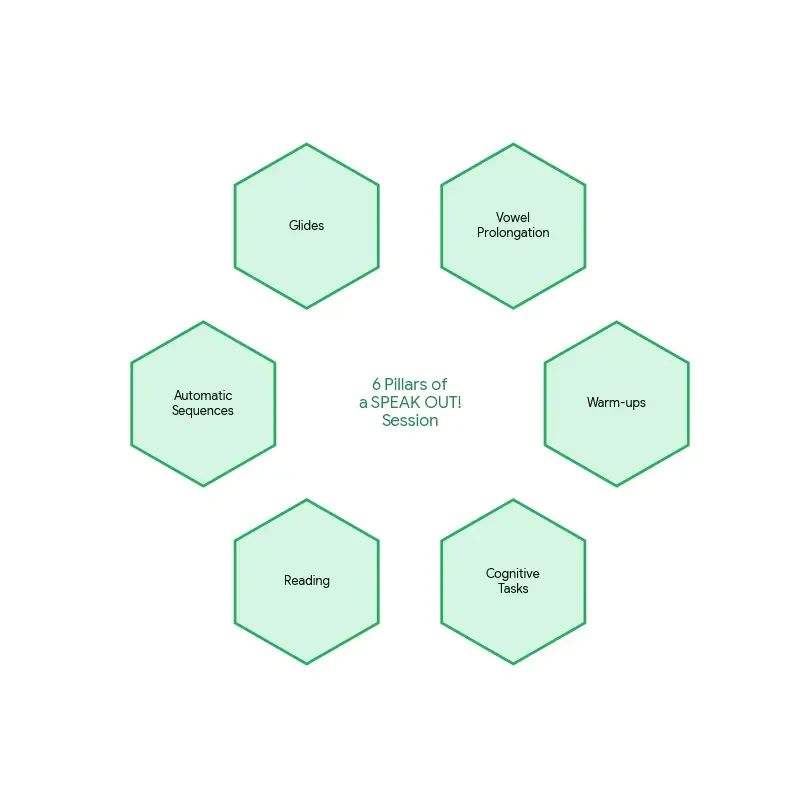
The therapy uses specific exercises and phrases designed to build this intentional approach, including:
Vocal warm-ups
Vowel prolongation exercises
Intonation/gliding exercises
Verbal delivery of automatic sequences (like counting or saying the days of the week)
Oral reading
Cognitive tasks
The 2024 research suggests this cognitive strategy of speaking with intent contributes to improvements in communicative participation, even when acoustic measures show variable results.
Learning to consciously engage with speech production appears to translate into greater confidence and capability in real-world communication.
Additionally, SPEAK OUT! requires a lower time commitment than LSVT: nine hours across four weeks compared to 16 hours, which may make it more accessible for some people with Parkinson's.
Nina Minervini provides comprehensive care for Parkinson's-related communication challenges, including both speech therapy through the SPEAK OUT! program and evaluation and treatment for swallowing difficulties. This integrated approach addresses the full range of communication and swallowing changes that often occur together in Parkinson's disease.
The Role of LOUD Crowd in Maintaining Progress
The 2024 study looked specifically at the combination of individual SPEAK OUT! therapy with ongoing LOUD Crowd group sessions. This maintenance component appears to be essential for sustaining benefits over time.
Parkinson's is a progressive disease, which creates a unique challenge for therapy.
You can make gains during an intensive treatment period, but without ongoing practice and support, those gains can fade as the disease continues to evolve.
LOUD Crowd addresses this by providing weekly group sessions where you continue practicing the techniques learned in individual therapy.
The group format offers multiple benefits:
You get regular practice and reinforcement of strategies.
You stay accountable to showing up and maintaining your skills.
You connect with others facing similar challenges, which reduces isolation.
You practice communication in a realistic social setting, not just alone in a clinic room.
Nina Minervini's Parkinson's program understands that maintaining your communication abilities requires a long-term approach, not just a short course of therapy. Schedule a consultation to learn about comprehensive treatment options.
Beyond Voice: The Complete Picture of Communication in Parkinson's
While much of the discussion around Parkinson's and speech focuses on voice and loudness, communication difficulties in this disease extend beyond these features.
The 2024 study touches on this by examining not just voice but also speech rate and pause patterns.
People with Parkinson's may experience several types of communication challenges:
Reduced vocal loudness is common, but so is reduced clarity of articulation.
Consonants become less crisp, and words may run together.
Speaking rate can speed up with rushes of speech that are difficult to understand, or slow down with frequent pauses.
Monotone voice quality flattens the natural melody of speech, making it harder for listeners to pick up on emphasis or emotional cues.
Reduced facial expression compounds the problem, eliminating visual cues that normally support understanding.
Many people with Parkinson's also develop swallowing difficulties (dysphagia), which often occur alongside speech changes because both involve similar muscles and neural pathways.
Addressing these issues together as part of a comprehensive communication and swallowing program makes clinical sense.
Nina Minervini provides comprehensive care for Parkinson's-related communication challenges, including both speech therapy through the SPEAK OUT! program and evaluation and treatment for swallowing difficulties. This integrated approach addresses the full range of communication and swallowing changes that often occur together in Parkinson's disease.
Who Can Benefit from SPEAK OUT! Therapy
The participants in the 2024 study represented a range of ages and disease severities, which suggests this approach can benefit people at different stages of Parkinson's disease.
You don't need to wait until speech changes are severe before seeking help. In fact, starting therapy earlier may help you develop effective strategies and habits that serve you well as the disease progresses.
The conscious, intentional approach to speech production can become second nature with practice, giving you tools to maintain your communication abilities.
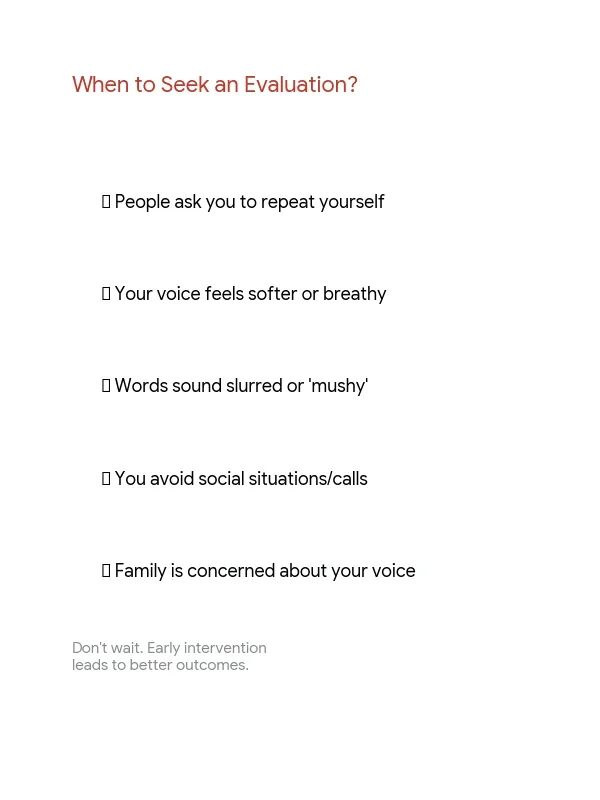
These are all signs that speech therapy evaluation could be valuable:
People frequently ask you to repeat yourself.
You feel your voice is softer or your words less clear than they used to be.
You find yourself avoiding social situations because communication feels difficult.
Family members are expressing concern about understanding you.
The study included people with varying degrees of communication difficulty, and improvements in communicative participation were seen across this range.
Whether your changes are relatively mild or more pronounced, evidence-based therapy like SPEAK OUT! offers potential benefits.
The Significance of Telehealth Delivery
An important aspect of this study is that it's the first to report outcomes for participants who completed SPEAK OUT! and LOUD Crowd via telehealth.:
Four of the six participants received their individual therapy sessions remotely via Zoom
Two received in-person treatment.
All LOUD Crowd group sessions were conducted virtually.
The positive results, particularly for communicative participation, suggest that telehealth delivery of this program can be effective.
This is significant because many people with Parkinson's face mobility challenges, transportation difficulties, or fatigue that make frequent trips to a clinic burdensome.
The researchers took steps to optimize audio quality during telehealth sessions, including specific Zoom settings for high-fidelity audio recording.
While they couldn't control mouth-to-microphone distance as precisely as in-person sessions, participants were instructed to maintain consistent positioning and recording environments.
The success of telehealth delivery makes this evidence-based treatment more accessible to people who might not otherwise be able to participate in regular therapy sessions.
What to Expect from This Type of Therapy
Based on the research protocol, SPEAK OUT! therapy typically involves 12 individual sessions with a certified speech-language pathologist.
These sessions focus on specific exercises designed to improve breath support, vocal quality, articulation, and most importantly, the cognitive habit of speaking with intention.
You'll also complete daily home practice between sessions.
This practice is crucial for building new motor patterns and reinforcing the strategies you're learning. The therapy materials include a workbook with structured exercises to guide your practice.
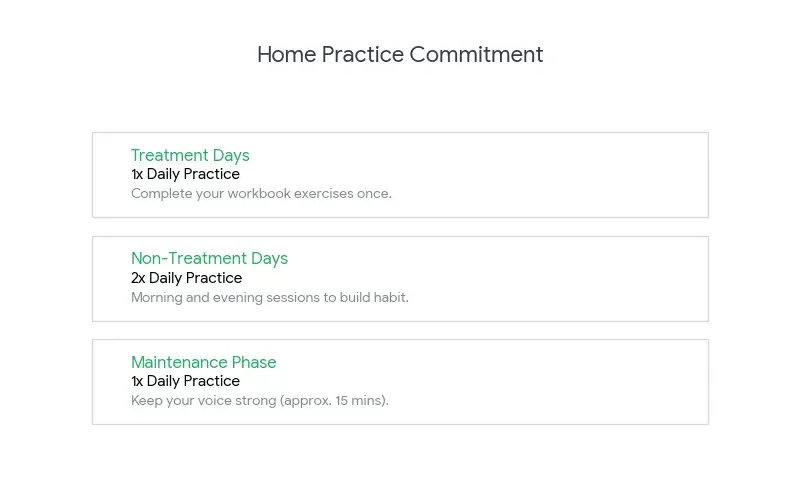
After completing individual therapy, you transition to LOUD Crowd or similar maintenance groups. These weekly sessions provide ongoing practice, accountability, and social connection.
The group format helps you maintain skills over time and gives you a supportive community of others facing similar challenges.
Throughout the process, a skilled clinician monitors your progress, adjusts exercises to your specific needs, and helps you apply the techniques to your real-life communication situations.
The goal is not just to perform exercises correctly in the therapy room but to carry these skills into your daily conversations and activities.
How Caregivers Can Help People with Parkinson’s at Home
If you're caring for someone with Parkinson's disease, your role in supporting their communication is invaluable.
The communication changes that accompany Parkinson's affect not just the person with the diagnosis but everyone in their social circle, especially those who interact with them daily.
Understanding how to create communication-friendly environments and knowing what strategies genuinely help can make a significant difference in your loved one's quality of life and your relationship with them.
Be patient and resist the urge to finish sentences.
When someone is searching for a word or speaking slowly, the natural instinct is to jump in and help.
But allowing extra time for your loved one to express themselves preserves their dignity and independence.
Unless they specifically ask for help, give them the space to complete their own thoughts.
Reduce background noise whenever possible.
Turn off the television during conversations.
Choose quieter restaurants or request corner tables away from kitchen noise.
Background sound makes it exponentially harder for someone with reduced vocal volume to be heard and understood.
Face your loved one during conversations.
Visual cues like facial expressions and lip movements provide important context that supports understanding.
Making eye contact also signals that you're fully engaged and that what they're saying matters.
Acknowledge the effort, not just the content.
Communication takes considerably more cognitive and physical effort for someone with Parkinson's.
A simple acknowledgment like "I appreciate you sharing that with me" validates that effort, even in everyday conversations.
Encourage continued social engagement.
It's tempting to speak for your loved one in social situations or to decline invitations because communication has become more difficult.
But social isolation accelerates decline.
Continue including them in gatherings, giving them opportunities to speak, and gently encouraging participation.
Practice therapy exercises together.
If your loved one is doing daily home practice as part of SPEAK OUT! or another program, offer to be their practice partner.
Your involvement shows support and can make the daily routine more engaging and less isolating.
Learn communication activities you can do together.
Structured activities that promote communication practice in natural, enjoyable contexts can reinforce therapy gains while strengthening your connection.
Reading aloud together, playing word games, discussing news articles, or reminiscing about shared memories all provide opportunities for meaningful communication practice.
For caregivers looking for practical guidance, Nina Minervini has authored Hidden Therapy, a comprehensive resource specifically designed to help family members support their loved ones' communication needs.
The book provides 60 structured communicative activities along with detailed guidance on how to approach each activity with someone who has Parkinson's disease.
These activities turn everyday interactions into therapeutic opportunities, helping maintain communication skills while strengthening relationships.
Learn more about Hidden Therapy and how it can support your caregiving journey.
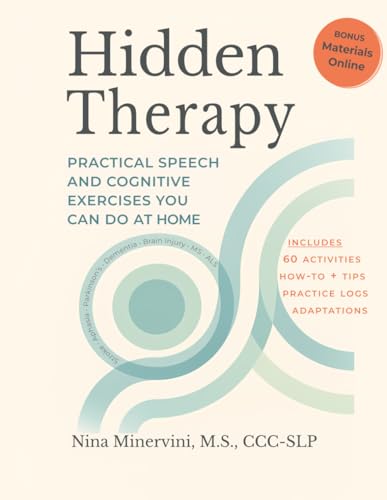
Hidden Therapy: Practical Speech and Cognitive Exercises You Can Do At Home
If you're looking for a way to support your loved ones and increase the communication in your home, try Hidden Therapy. This comprehensive activity book includes 60 therapeutic exercises specifically designed for home practice, with detailed adaptations for Parkinson's built into each activity.
- 60 Therapeutic Activities
- 11 Different Themes
- Support for Caregivers
- Bonus Materials Online
Remember that your loved one is still the same person, even as their ability to express themselves changes.
The frustration you might feel when struggling to understand them is likely magnified many times over in their own experience.
Approaching communication challenges with patience, creativity, and compassion makes an enormous difference.
Addressing Swallowing Difficulties Alongside Speech Changes
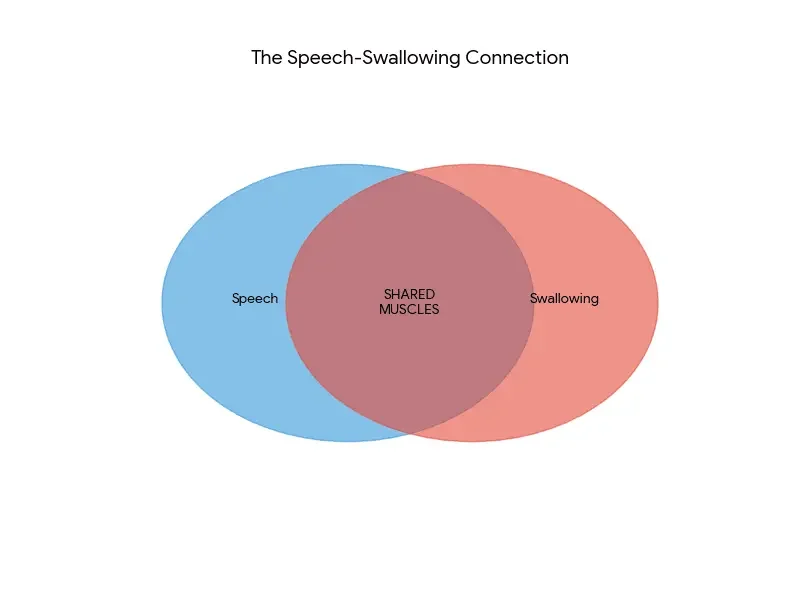
While the 2024 study focused on speech and communication, it's important to recognize that many people with Parkinson's experience swallowing difficulties as well. Research suggests that up to 80% of people with Parkinson's will develop some degree of dysphagia over the course of the disease.
Swallowing problems can range from mild difficulties with certain food textures to more serious issues that impact nutrition, hydration, and safety.
Common signs include:
Coughing or choking while eating or drinking
Feeling that food is sticking in the throat
Drooling
Unintended weight loss
Recurrent pneumonia
Because speech and swallowing involve overlapping muscles and neural pathways, these difficulties often occur together. A comprehensive swallowing evaluation can identify both speech and swallowing issues, and therapy can address them in a coordinated way.
Swallowing therapy for Parkinson's disease may include:
Exercises to strengthen swallowing muscles
Strategies to improve swallowing safety
Modifications to diet textures or liquid consistencies
Techniques to reduce aspiration risk.
Remember, early intervention can help prevent complications and maintain your ability to eat and drink safely and enjoyably.
In addition to speech therapy, Nina Minervini provides evaluation and treatment for swallowing difficulties commonly experienced by people with Parkinson's disease. This comprehensive approach ensures all aspects of your communication and swallowing health are addressed.
The Value of In-Home Therapy
For many people with Parkinson's disease, getting to regular therapy appointments can present challenges.
Mobility issues, transportation difficulties, fatigue, and other symptoms can make frequent trips to a clinic burdensome.
In-home therapy offers a practical solution.
When your speech therapist comes to you, you eliminate transportation barriers and receive care in the comfort of your own environment.
This can be particularly valuable for ongoing maintenance sessions, which require consistent attendance over time to provide maximum benefit.
Home-based therapy also allows your clinician to see how you communicate in your actual living environment and with your family members.
This real-world context can inform treatment planning and help you apply strategies in the settings where you need them most.
For caregivers and family members, in-home therapy provides opportunities to observe sessions, learn communication strategies to support their loved one, and ask questions in a comfortable, familiar setting.
Taking the Next Step
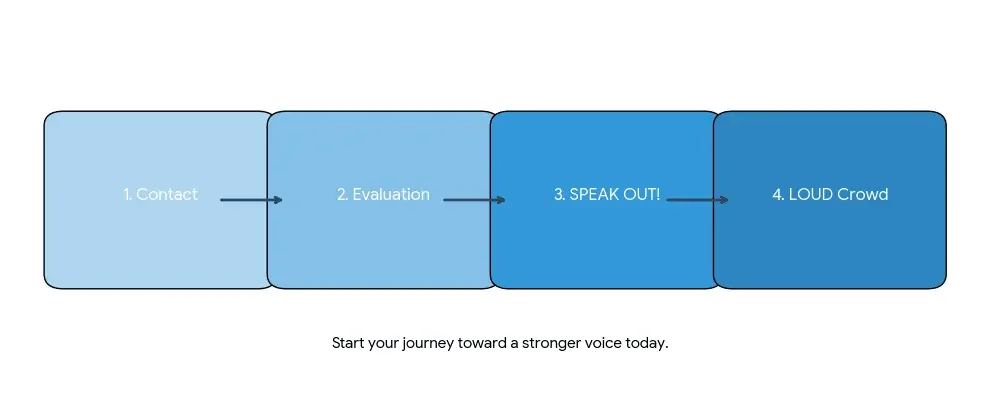
The 2024 research on SPEAK OUT! combined with LOUD Crowd provides encouraging evidence that effective speech therapy can improve your ability to participate in communication and stay connected to the people and activities that matter to you.
If you're experiencing speech or voice changes related to Parkinson's disease, you don't have to accept these changes as inevitable.
Evidence-based therapy offers real potential to improve your communication confidence and capability.
The key is working with a clinician who has specific training in Parkinson's disease, certification in proven approaches like SPEAK OUT!, and an understanding that effective therapy addresses not just clinical measures but your real-world communication experiences.
Starting therapy earlier rather than later gives you the best opportunity to develop effective strategies, build good habits, and maintain your communication abilities as your needs evolve. And ongoing support through maintenance programs helps ensure that the gains you make are sustained over time.
Nina Minervini, M.S., CCC-SLP, provides specialized in-home speech therapy for Parkinson's disease throughout coastal Palm Beach County, including:
Island communities: Ocean Ridge, Gulf Stream, South Palm Beach, and Manalapan.
As a SPEAK OUT! certified clinician, Nina offers evidence-based therapy for both speech and swallowing difficulties in Parkinson's disease. Contact Palm Beach Speech Therapy today to schedule your consultation and take the first step toward maintaining your voice and your connections.
Phone: (561) 797-2343
Email: ninaminervini11@gmail.com
Online: Contact Form
References
Sullivan, L., Martin, E., & Allison, K. M. (2024). Effects of SPEAK OUT! & LOUD Crowd on Functional Speech Measures in Parkinson's Disease. American Journal of Speech-Language Pathology, 33, 1930-1951. https://doi.org/10.1044/2024_AJSLP-23-00321
FAQs: Study Shows SPEAK OUT! & LOUD Crowd Improves Communication
What was the goal of the June 2024 SPEAK OUT! + LOUD Crowd study?
To see whether combining individual SPEAK OUT! sessions with LOUD Crowd group maintenance improves communication outcomes for adults with Parkinson’s disease.
Who participated in the study?
Six adults with Parkinson’s disease, ages 49–80, with mild-to-moderate to moderate dysarthria severity ratings.
What did the treatment schedule look like?
Participants completed 12 individual SPEAK OUT! sessions over four consecutive weeks, followed by LOUD Crowd group sessions for five consecutive weeks.
What was the most important finding?
Communicative participation improved significantly. This was the only outcome that showed statistically significant change at the group level.
How did the study measure “communicative participation”?
Using the Communication Effectiveness Survey (CES), an eight-item self-rating scale about communication effectiveness across different settings and communication partners.
Did speaking rate and pausing change?
For some participants, yes. Two participants showed significant decreases in speaking rate and increases in pause time, which can support clarity and listener understanding.
Why didn’t intelligibility or naturalness improve significantly?
Intelligibility scores were already high for most participants at baseline (a “ceiling effect”), leaving little room for measurable improvement. Naturalness ratings varied and may not reflect changes that show up more clearly in real conversation.
Does SPEAK OUT! only focus on speaking louder?
No. SPEAK OUT! emphasizes “intentional speech,” helping people consciously engage effort and attention to support clearer, more effective communication.
What is LOUD Crowd, and why does it matter?
LOUD Crowd is a maintenance-focused group program that provides ongoing practice, accountability, and real-world communication opportunities—important for sustaining gains over time.
Can SPEAK OUT! be effective through telehealth?
This study included telehealth delivery (most individual sessions and all LOUD Crowd sessions were virtual) and reported positive outcomes, suggesting telehealth can be a viable option for some people.
When should someone with Parkinson’s seek a speech therapy evaluation?
If people often ask you to repeat yourself, your voice feels softer or breathy, words sound slurred or “mushy,” you avoid calls or social situations, or family is concerned about your communication.
Can speech therapy also help with swallowing difficulties in Parkinson’s?
Speech-language pathologists can evaluate and treat both communication and swallowing issues when appropriate. If coughing/choking during meals, weight loss, or a sensation of food sticking occurs, ask about a swallowing evaluation.
This article is for educational purposes only and is not intended to replace individualized medical or speech-language pathology evaluation or treatment. Always consult a qualified healthcare professional regarding diagnosis and care.
