Menu Therapy with Nina: 6 Accessible, Swallow-Safe Restaurants on Delray Beach’s Atlantic Avenue
Sharing a meal at a favorite restaurant is one of life's simple pleasures, but for families caring for someone with dysphagia (swallowing difficulties), dining out can feel overwhelming.
Will the restaurant be accessible?
Can the kitchen accommodate special texture requests?
What menu items are actually safe?
The good news: Atlantic Avenue in Delray Beach is home to numerous restaurants that welcome seniors with speech therapy needs, offer accessible spaces, and serve dishes that can be easily modified for safe swallowing.
Whether your loved one is recovering from a stroke, managing Parkinson's disease, or navigating other neurological conditions that affect eating, this guide will help you choose restaurants and menu items with confidence.
As a speech-language pathologist specializing in swallowing disorders, I've created this resource to take the guesswork out of dining out, so you can focus on enjoying quality time together.
Understanding Dysphagia and Dining Safety

Dysphagia is difficulty swallowing that can occur from:
Stroke or brain injury
Parkinson's disease or other movement disorders
Head and neck cancer treatment
Age-related muscle weakness
Neurological conditions like ALS or MS
When someone has dysphagia, certain foods pose choking risks or can lead to aspiration (food or liquid entering the airway instead of the esophagus). That's why texture, moisture content, and preparation method matter so much.
What Makes Food "Swallow-Safe"?
The safest foods for dysphagia typically share these qualities:
✓ Moist and well-lubricated (sauces, gravies, broths help)
✓ Soft and easily chewed (no tough, chewy, or stringy textures)
✓ Uniform consistency (mixed textures like cereal in milk can be dangerous)
✓ Bite-sized portions (less overwhelming, easier to control)
✓ Not crumbly or flaky (crumbs can scatter in the mouth and cause coughing)
Foods to Generally Avoid
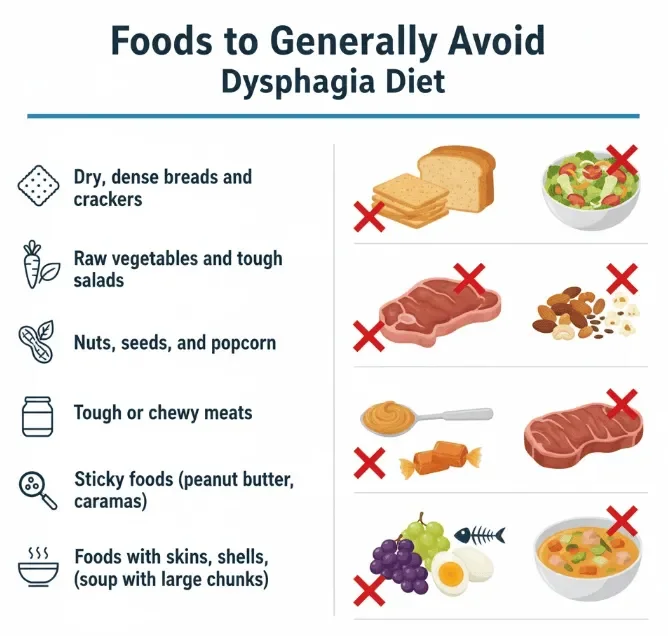
Dry, dense breads and crackers
Raw vegetables and tough salads
Nuts, seeds, and popcorn
Tough or chewy meats
Sticky foods (peanut butter, caramels)
Foods with skins, shells, or bones
Mixed consistencies (soup with large chunks)
Important: Always follow your speech-language pathologist's specific diet recommendations. Dysphagia diets are individualized based on swallow study results and clinical assessment.
What to Look for in a Dysphagia-Friendly Restaurant

Beyond the menu, the restaurant environment itself matters for seniors with mobility or swallowing challenges:
Accessibility Features
Step-free or ramped entrance with automatic doors when possible
Wide aisles between tables for walkers or wheelchairs
Comfortable, supportive seating (booths or chairs with arms)
Accessible restrooms with grab bars
Good lighting (important for visual cueing while eating)
Dining Environment
Lower noise levels (easier for communication and concentration)
Unhurried atmosphere (eating with dysphagia takes time)
Off-peak dining options (less crowded, more attentive service)
Indoor seating available (for climate control and comfort)
Kitchen and Service
Flexible, accommodating staff willing to modify dishes
Kitchen able to adjust textures, cut food small, add extra sauce
Servers who understand when you explain dietary needs
Simple, clear menu descriptions (easier to navigate)
Fortunately, Atlantic Avenue offers many restaurants that excel in these areas.
Top Accessible Restaurants on Atlantic Avenue with Swallow-Safe Menu Options
We've carefully selected these restaurants based on accessibility, menu flexibility, and naturally soft options. For each, we provide specific menu recommendations and modification suggestions to maximize safety.
⭐ Deck 84
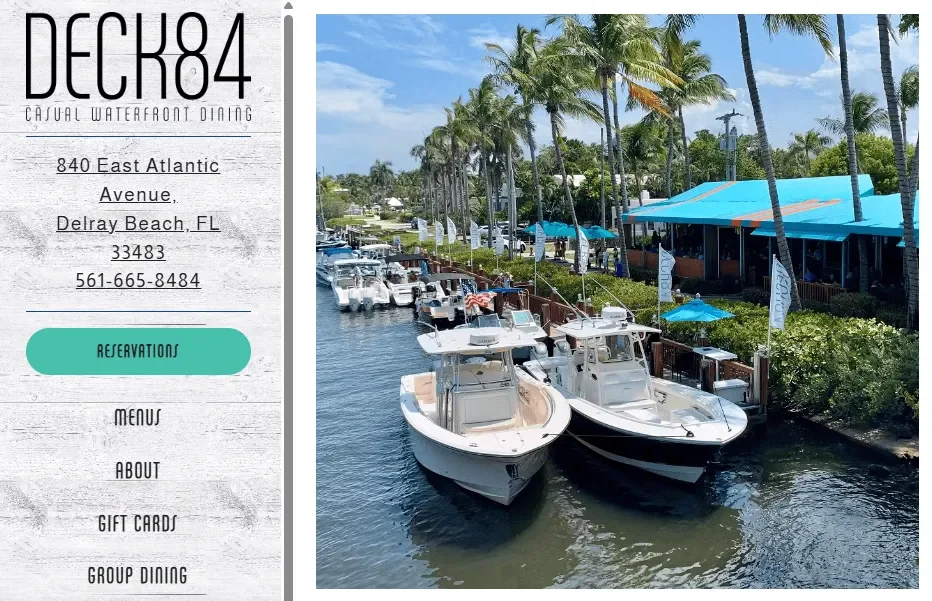
Address: 840 E Atlantic Avenue, Delray Beach
Phone: (561) 665-8484
Atmosphere: Relaxed waterfront dining with spacious indoor and outdoor seating
Accessibility: Excellent—flat entrance, wide aisles, accessible patio with beautiful Intracoastal views
Why Deck 84?
Deck 84 combines a calm, comfortable environment with a diverse menu featuring several naturally soft entrées. The staff is known for being accommodating, and the kitchen readily handles special requests. The waterfront location provides a pleasant distraction for leisurely meals, which is ideal when eating slowly and carefully.
Best Swallow-Friendly Menu Choices
"Sixty South" Salmon with Parsnip Purée
This is one of the best dysphagia-friendly entrées in Delray Beach. The salmon is flaky and tender, while the parsnip purée provides a smooth, naturally soft side dish.
How to order:
Request extra parsnip purée or additional lemon butter sauce for moisture
Ask for the salmon cut into small, bite-sized pieces in the kitchen
Substitute any crispy or tough vegetables with softer options like mashed sweet potato
Request removal of any garnishes (crispy onions, nuts, etc.)
Turkey Meatloaf with Sage Gravy
Meatloaf is typically ground and moist, making it easier to chew and swallow than whole-muscle meats.
How to order:
Request extra sage gravy (moisture is key)
Ask for the meatloaf pre-cut into small pieces
Pair with mashed potatoes and ask for extra butter or gravy on the side
Inquire about the texture—some meatloaves contain chunks of vegetables that may need removing
Other Good Options:
Mashed potatoes (as a side or appetizer)
Soft fish preparations (grouper, mahi—avoid anything blackened or crusted)
Mac and cheese (ask if it's creamy or baked with a crust)
Foods to Avoid:
Fish & chips (batter is crispy and dry)
Sandwiches (bread can be problematic)
Crispy Brussels sprouts or fried appetizers
Large mixed salads with raw vegetables
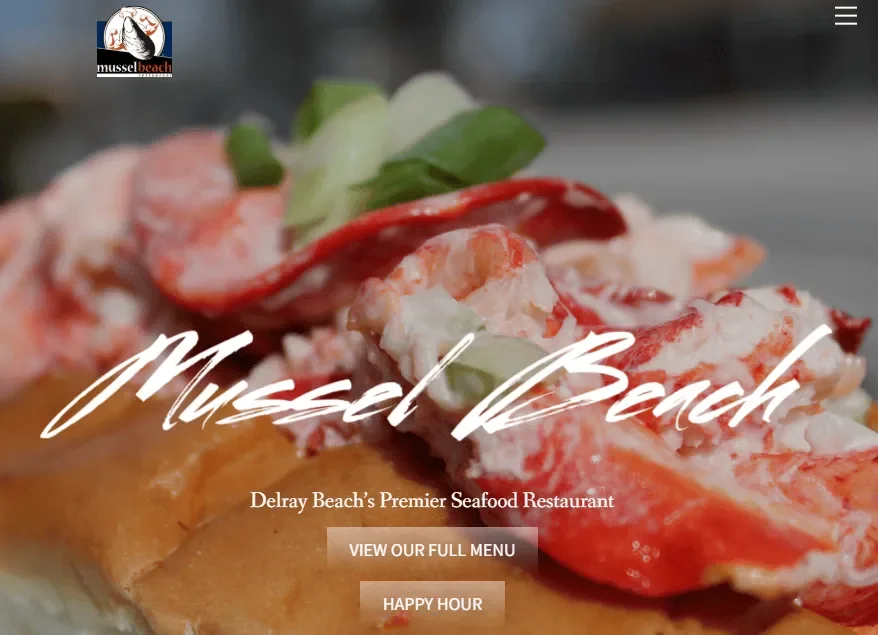
Address: 501 E Atlantic Avenue, Delray Beach
Phone: (561) 833-1112
Atmosphere: Upscale casual seafood with a quieter, sophisticated ambiance
Accessibility: Good—accessible entrance, comfortable booth and table seating, easy layout
Why Mussel Beach?
Mussel Beach specializes in seafood, which tends to have soft, flaky textures when properly prepared. The restaurant has a calmer atmosphere than some Atlantic Avenue spots, making it easier to focus on eating safely. Staff is attentive and responsive to dietary modifications.
Best Swallow-Friendly Menu Choices
New England Clam Chowder
Cream-based chowders are excellent for dysphagia because they're thick, smooth, and naturally soft.
How to order:
Ask for clams to be chopped very finely (or removed entirely if needed)
Request extra cream or broth for consistency
Check if potatoes are soft enough (they usually are)
Ask about bacon bits—request removal if they're crispy
Fresh Fish—Simply Grilled (Salmon, Mahi-Mahi, Snapper)
Fish naturally flakes into small pieces and is tender when not overcooked.
How to order:
Specify "no crispy skin" and "no blackening"
Request extra lemon butter sauce or ask for the fish to be poached instead of grilled
Ask for whipped potatoes as a side (one of the best dysphagia-friendly sides)
Ensure vegetables are soft—request steaming if necessary
Have the kitchen remove any bones carefully
Whipped Potatoes
Smooth, creamy, and safe—an ideal side dish for anyone with swallowing difficulties.
How to order:
Ask for extra butter, cream, or gravy
Can be ordered as a standalone side or appetizer
Chilean Sea Bass or Halibut
These fish varieties are particularly tender and mild.
How to order:
Request preparation in a butter or cream sauce
Ask for vegetables to be very soft or substituted
Request bite-sized portions
Foods to Avoid:
Fried calamari (tough and chewy)
Raw oysters or clams on the half shell
Tacos (mixed textures, hard shells)
Caesar salad (raw romaine, hard croutons, whole anchovies)
Crusty bread
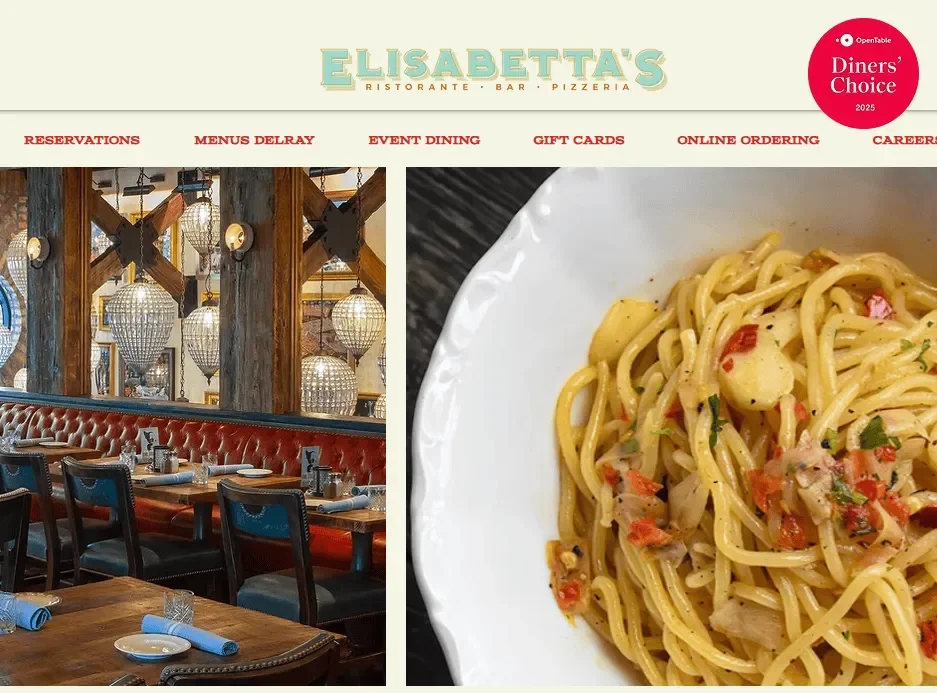
Address: 32 E Atlantic Avenue, Delray Beach
Phone: (561) 560-2522
Atmosphere: Elegant Italian with indoor and outdoor seating; perfect for unhurried, comfortable meals
Accessibility: Very good—ramped entrance, spacious table arrangements
Why Elisabetta’s?
Italian cuisine naturally offers many soft, sauce-based dishes that work well for dysphagia. Elisabetta's emphasizes fresh pasta and rich sauces, both of which help with safe swallowing. The pacing here is relaxed, allowing plenty of time for careful eating.
Best Swallow-Friendly Menu Choices
Zuppa del Giorno (Soup of the Day)
Italian soups are often hearty but can be modified easily.
How to order:
Ask what's in the soup and request tough ingredients be removed
Request vegetables and pasta be cut into very small pieces
Ask for extra broth if the soup is too thick
Minestrone works if vegetables are soft and small
Ricotta Ravioli with Pomodoro Sauce
Fresh pasta filled with soft ricotta cheese is naturally dysphagia-friendly.
How to order:
Request ravioli cut into halves or quarters
Ask for extra pomodoro sauce (smooth tomato-based)
Omit or ask for prosciutto to be finely minced (can be tough/chewy)
Ensure there are no hard garnishes like pine nuts
Tagliarini al Limone
This lemon mascarpone pasta is creamy, smooth, and naturally moist.
How to order:
Request removal of pistachios or any nut garnish
Ask for extra sauce
Can request pasta cut into shorter lengths
Ensure no crispy elements are added
Gnocchi with Cream Sauce
Potato gnocchi can be soft and pillowy when well-made.
How to order:
Ask if the gnocchi is soft (some restaurants make them firmer)
Request a cream-based sauce rather than oil-based
Ask for extra sauce
Avoid versions with hard vegetables or sausage chunks
Risotto
Properly made risotto is creamy and smooth.
How to order:
Request extra-creamy preparation
Ask about any add-ins—avoid versions with tough vegetables or chewy proteins
Mushroom risotto often works well if mushrooms are finely chopped
Foods to Avoid:
Pizza (crust can be tough and dry)
Steak or veal dishes (too chewy)
Salads with raw vegetables and hard nuts
Crusty Italian bread (unless dunked in soup or olive oil)
Baked pasta dishes with crispy cheese tops
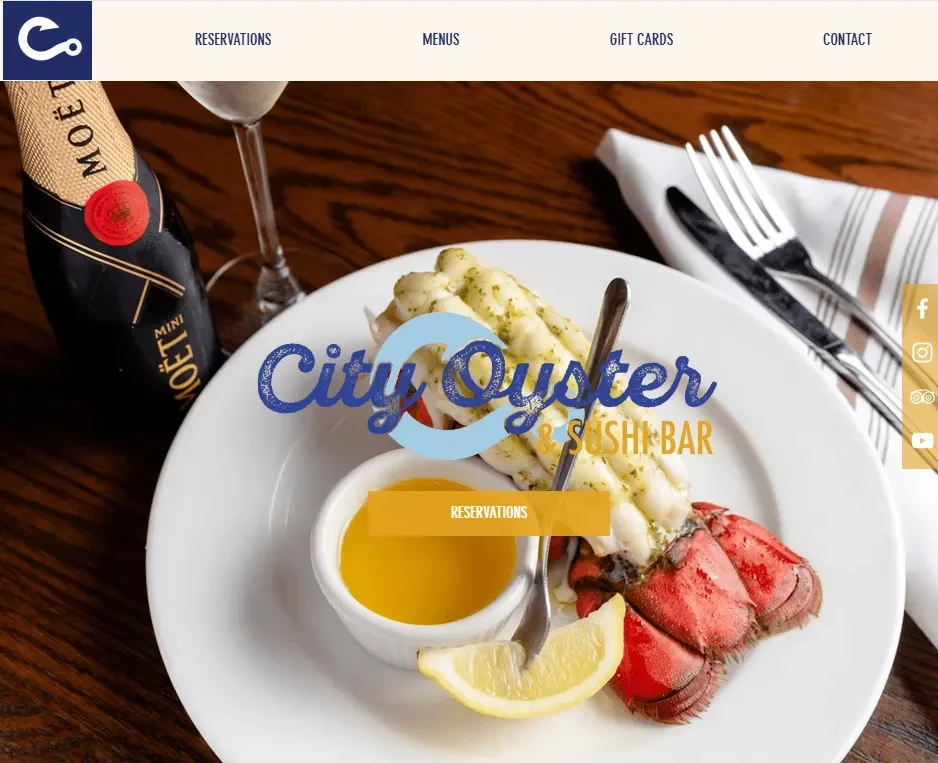
Address: 213 E Atlantic Avenue, Delray Beach
Phone: (561) 272-0220
Atmosphere: Lively seafood and sushi spot with central location; quieter during lunch
Accessibility: Good—accessible entrance, booth and table options
Why City Oyster & Sushi?
While sushi isn't typically recommended for dysphagia, City Oyster offers many other seafood preparations that work well. Their kitchen is flexible, and lunch hours provide a calmer environment for careful eating.
Best Swallow-Friendly Menu Choices
Steamed or Grilled White Fish
Simple preparation yields the softest texture.
How to order:
Request steamed or gently grilled (not blackened)
Ask for extra lemon butter or a light cream sauce
Ensure no crispy skin or coating
Request mashed potatoes or soft vegetables as sides
Salmon Teriyaki
Salmon with teriyaki glaze is moist and flavorful.
How to order:
Request grilled, not crispy
Ask for extra teriyaki sauce
Have kitchen cut into bite-sized pieces
Pair with steamed rice and soft vegetables
Mashed Potatoes or Rice
Both are available as sides and work well.
How to order:
Extra butter or gravy for potatoes
Rice can be moistened with broth or sauce
Foods to Avoid:
Raw sushi (nori sheets are tough to chew)
Tempura (crispy batter)
Raw oysters (slippery, can cause choking)
Crispy fried appetizers
Seaweed salad (tough, slippery texture)
Address: 201 E Atlantic Avenue, Delray Beach
Phone: (561) 276-3600
Atmosphere: Modern American gastropub with wide seating layout
Accessibility: Excellent—flat entrance, spacious layout, accessible restrooms
Why The Office?
The Office has a flexible kitchen willing to accommodate special requests, and the menu includes several items that can be modified for dysphagia safety. The layout is particularly good for mobility aids.
Best Swallow-Friendly Menu Choices
Grilled Fish Entrées
When available, fish is typically a good choice.
How to order:
Request moist preparation with sauce
No crispy elements
Soft vegetable sides
Mashed Potatoes
Available as a side—always a reliable option.
How to order:
Extra butter, gravy, or cream
Macaroni and Cheese
Can work if it's creamy rather than baked with a crust.
How to order:
Ask if it has a crispy top (avoid if yes)
Request extra-creamy preparation
Check for any add-ins like bacon that might be tough
Foods to Avoid:
Burgers (buns can be dry, patties can be dense)
Fried appetizers (wings, calamari)
Large salads with raw vegetables
Sandwiches on crusty bread

Address: 601 E Atlantic Avenue, Delray Beach
Phone: (561) 266-3940
Atmosphere: French-Vietnamese fusion, calm and upscale with attentive service
Accessibility: Very good—elegant but accessible layout
Why Le Colonial?
Le Colonial's menu features many broth-based and stewed dishes that are naturally suitable for dysphagia. The service is particularly attentive, and the quieter atmosphere supports careful, mindful eating.
Best Swallow-Friendly Menu Choices
Fish or Chicken Curry
Curry sauces are typically smooth and flavorful.
How to order:
Request meat shredded or cut into very small pieces
Ask about vegetables—should be soft-cooked
Extra sauce for moisture
Pair with steamed jasmine rice (naturally soft and sticky)
Steamed Fish with Ginger Sauce
Gentle steaming yields very tender fish.
How to order:
Ensure ginger is finely minced or in sauce form (not in chunks)
Extra sauce
Soft vegetable sides
Rice to help with texture
Foods to Avoid:
Spring rolls (rice paper can be tough and sticky)
Crispy duck or chicken
Fried appetizers (imperial rolls)
Cold noodle salads (mixed textures)
Dishes with whole peanuts or crispy toppings
Essential Tips for Dining Out Safely with Dysphagia

Before You Go
1. Call ahead: Speak with the restaurant about your needs. Most are happy to accommodate if given advance notice.
2. Choose off-peak times: Lunch between 2-4 PM or early dinner (5-6 PM) means less noise, less rush, and more attentive service.
3. Review the menu online: Identify potentially safe dishes beforehand so you're not deciding under pressure.
4. Bring your speech therapist's recommendations: Have diet level guidelines handy (puree, minced/moist, soft, etc.).
When Ordering
1. Communicate clearly with your server:
"My [mother/father/spouse] has swallowing difficulties due to [condition].”
“We need food that's soft, moist, and cut into small pieces.”
“Can the kitchen help with that?"
2. Don't be shy about modifications. Request:
Extra sauce, gravy, or broth
Food cut into bite-sized pieces in the kitchen
Substitutions (mashed potatoes instead of fries)
Removal of tough garnishes or crispy toppings
3. Ask questions:
"How is this prepared—grilled, fried, or baked?"
"Does this come with sauce?"
"Can vegetables be cooked very soft?"
"Does this have any crunchy toppings?"
4. Order conservatively:
Start with items you're confident about.
You can always order more.
During the Meal
1. Pace the meal
Take your time.
Don't feel rushed by other diners or servers.
2. Stay upright
Ensure your loved one is sitting at 90 degrees with good trunk support.
3. Minimize distractions
Choose a quiet table away from high-traffic areas.
Turn off phones.
4. Watch for signs of difficulty
Coughing during or after swallowing
Wet or gurgly voice
Feeling of food stuck in throat
Multiple swallows for one bite
Fatigue
If these occur, stop eating and reassess the food choice or take a longer break.
5. Have water (or thickened liquids) available
But remind your loved one not to drink and eat simultaneously
Alternate bites with sips.
After the Meal
1. Stay upright
Remain seated upright for at least 30 minutes after eating.
2. Check the mouth
Ensure no food is pocketing in the cheeks.
3. Consider oral care
Rinsing the mouth after eating helps clear residue.
Understanding Dysphagia Diet Levels
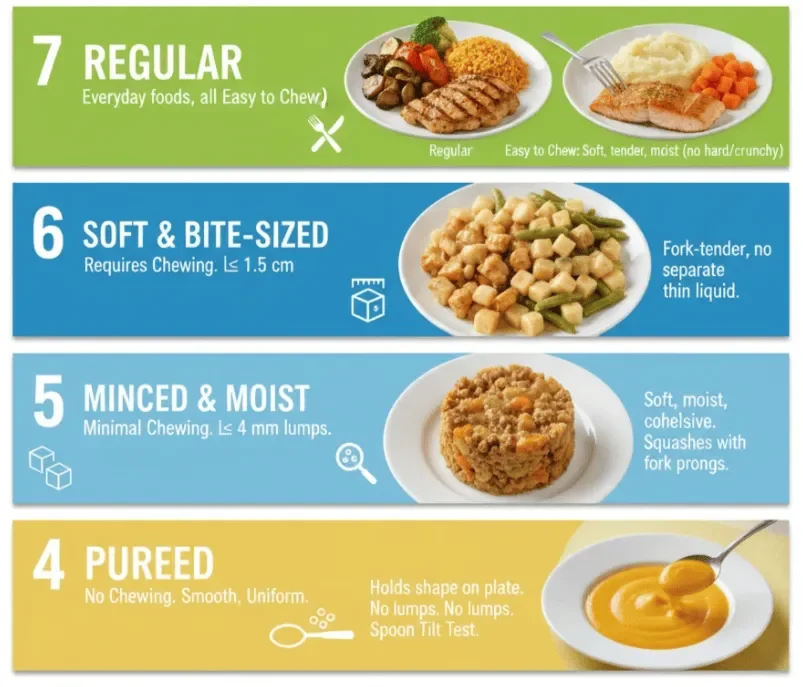
Your speech-language pathologist will recommend a specific diet level. Here's a brief overview:
Level 7: Regular Diet
No restrictions and can eat all foods safely.
Level 6: Soft & Bite-Sized
Tender foods that require minimal chewing, cut into pieces smaller than ½ inch.
Level 5: Minced & Moist
Foods minced to ¼ inch pieces, very moist with sauce or gravy.
Level 4: Pureed
Smooth, pudding-like consistency with no lumps. Requires blending.
Most of our restaurant recommendations target Levels 6 (Soft & Bite-Sized) and 5 (Minced & Moist). If your loved one requires Level 4 (Pureed), dining out becomes more challenging, but some restaurants can accommodate with advance notice.
Always follow your individual recommendations. These are general guidelines only.
What to Keep in Your "Dining Out" Kit

Consider packing a small bag with:
Copy of diet recommendations from your SLP
Adaptive utensils if needed (weighted, angled, or built-up handles)
Napkins or bibs (discreet clothing protectors)
Pre-thickened beverages if using thickened liquids
Small scissors (for cutting food if kitchen doesn't)
Medications if taken with meals
Emergency contact information
Red Flags: When to Stop Eating

Even with careful planning, sometimes a dish isn't safe. Stop immediately if:
Persistent coughing or choking occurs
Voice becomes wet or gurgly after swallowing
Person complains food is "stuck"
Difficulty breathing
Face turns red or shows distress
Multiple failed attempts to swallow one bite
If choking occurs: Call 911 and perform appropriate first aid (back blows, abdominal thrusts if trained).
The Emotional Side of Dining Out with Dysphagia
I understand that swallowing difficulties affect more than just physical health. They impact dignity, independence, and social connection. Many families worry about:
Embarrassment or calling attention to limitations
Being a burden to restaurant staff
Taking too long or holding up the table
Watching others eat "normal" foods
Fear of choking in public
These feelings are valid. Here's what helps:
For the person with dysphagia:
Remember that safe eating is always more important than eating quickly
Many restaurants genuinely want to help and accommodate
Choosing safe foods shows strength and self-care, not weakness
Focus on the companionship, not just the food
For caregivers and family:
Be patient and encouraging
Don't rush the meal
Avoid commenting on what others are eating
Frame modifications positively: "They're making this specially for you"
Celebrate successful outings
Dining out may look different now, but it absolutely can remain a meaningful part of life.
Beyond Atlantic Avenue: General Restaurant Tips for Delray Beach

While this guide focuses on Atlantic Avenue, you can apply these principles anywhere:
Look for cuisines that naturally feature soft foods:
Italian (pasta, risotto, soft polenta)
Asian (congee, soft curries)
American comfort food (meatloaf, mashed potatoes, mac and cheese)
Mediterranean (hummus, baba ganoush, soft fish)
Southern (grits, slow-cooked greens, butter beans)
Restaurant types that often work well:
Family-style Italian or Greek restaurants
Seafood restaurants (ask for soft preparations)
Breakfast restaurants (oatmeal, scrambled eggs, grits)
Avoid or approach with caution:
BBQ joints (meat can be tough)
Mexican with hard shells
Asian restaurants focused on raw/crispy textures
Steakhouses
Fast casual with limited menu flexibility
Get Expert Help for Swallowing Difficulties
If eating or drinking has become stressful, unsafe, or difficult, you don’t have to navigate it alone. At Palm Beach Speech Therapy, I provide specialized, evidence-based care for adults with swallowing disorders related to Parkinson’s, stroke recovery, neurological conditions, aging, or medical illness.
I offer:
Comprehensive Swallow Evaluations
Personalized Treatment Plans
Diet & Texture Recommendations
Safe-Swallow Strategies & Exercises
Caregiver Coaching & Support
Real-World Practice for Community Dining
Safe, confident eating begins with understanding your swallowing abilities and having a plan tailored specifically to you. I’m here to help you or your loved one regain comfort, safety, and independence at mealtimes.
Schedule Your Swallow Evaluation
Reach out today to book an appointment and take the first step toward safer, more enjoyable eating.
📞 Call/Text: (561) 727-2343
📧 Email: ninaminervini11@gmail.com
🌐 Contact Form
Disclaimer: This guide provides general educational information and is not a substitute for professional medical advice. Always follow recommendations from your physician and speech-language pathologist regarding diet textures and swallowing safety. Individual swallowing abilities vary significantly, and what's safe for one person may not be safe for another.
