Mindfulness Exercises for Speech, Swallowing, and Cognitive Clarity: A Practical Guide
In my previous article, we explored the theory behind mindfulness for movement disorders. Essentially, there is strong evidence that conscious awareness can activate the pyramidal motor system and help compensate when automatic control breaks down.
Now it's time to put that knowledge into practice.
This guide provides specific, actionable mindfulness exercises designed to improve speech production, swallowing safety, and cognitive function.

These aren't abstract concepts; they're concrete techniques you can begin using today to reclaim control over communication, eating, and thinking.
Whether you're working with a speech-language pathologist or practicing independently, these exercises will help you develop the conscious awareness and intentional control that make meaningful functional improvements possible.
Getting Started: The Foundation of Mindful Practice
Before diving into specific exercises, let's establish some foundational principles that apply to all mindfulness practice:
Set Realistic Expectations: Mindfulness is a skill that develops gradually. You won't master it overnight, and that's completely normal. Even noticing that your mind has wandered is a success. That awareness is the practice!
Practice Without Judgment: When you forget to be mindful, catch yourself speaking softly, or notice your mind has drifted, simply observe it without self-criticism. "Oh, there I go again" is more helpful than "I'm terrible at this."
Start Small and Build: Begin with just one or two exercises, practiced for short periods. Five minutes of focused practice is more valuable than twenty minutes of distracted effort.
Consistency Matters More Than Duration: It's better to practice mindfully for five minutes every day than for an hour once a week. Daily practice builds neural pathways and makes conscious control more accessible.
Create Cues and Reminders: Use environmental cues to remind you to practice: a note on your bathroom mirror, an alarm on your phone, or linking mindfulness to existing routines like meals.
Part One: Mindfulness Exercises for Speech Production
Mindfulness can transform the way we approach speaking. Before words even leave our mouths, our breath, posture, and awareness shape the clarity and confidence of our voice.
The following exercises use simple, mindful techniques to help you reconnect with your natural breath support, ease physical tension, and bring greater focus to each sound and word you produce. By practicing regularly, you’ll build stronger awareness of how your body supports speech and how you can improve your speech production.
Exercise 1: Mindful Breathing Before Speaking
Purpose: Establish strong breath support for voice production and activate conscious control of speech
How to Practice:
Before you begin speaking, whether starting a conversation, answering a question, or making a phone call, pause
Notice your posture: Are you sitting or standing tall? Gently straighten your spine
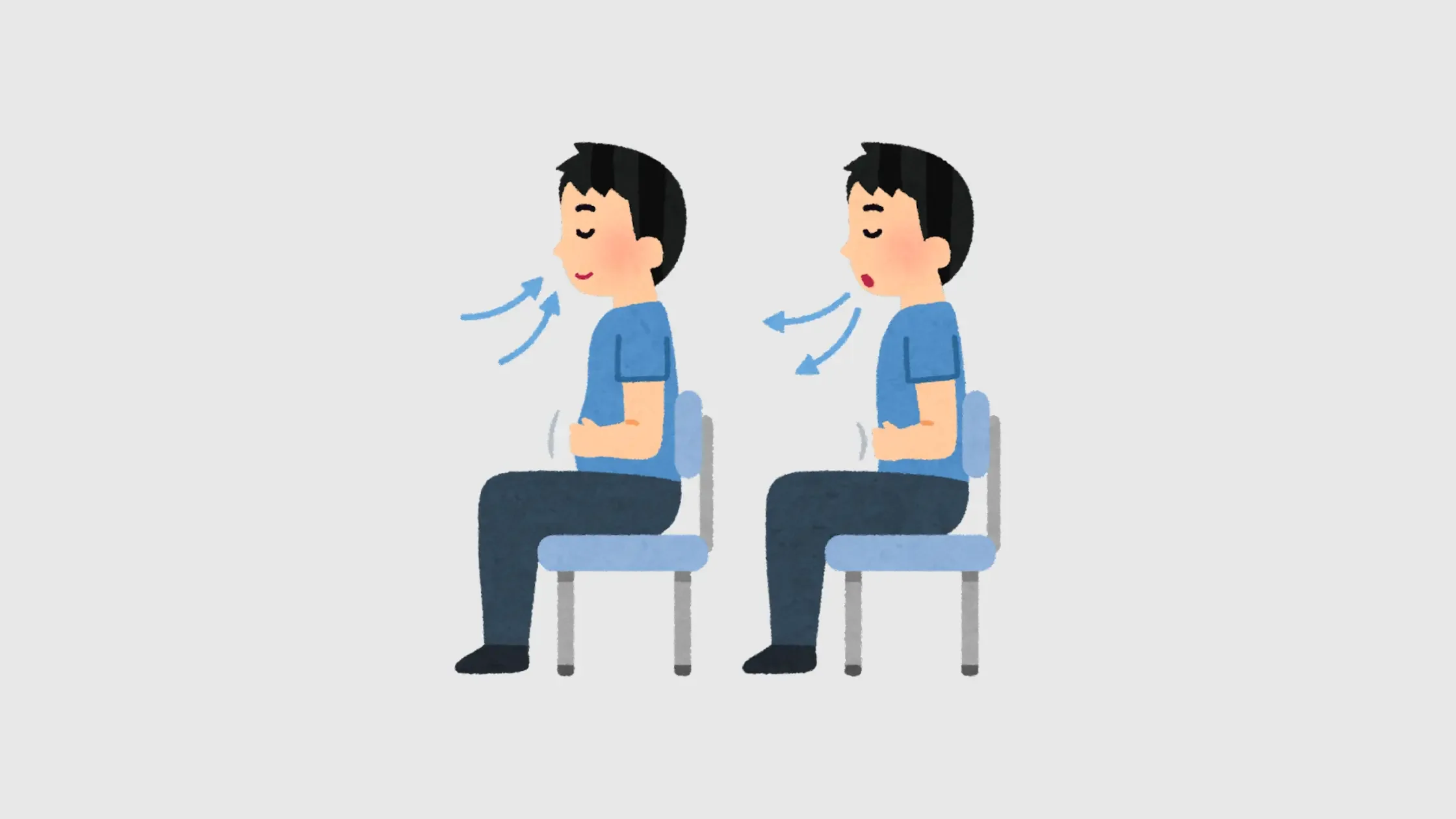
Place one hand on your abdomen to increase awareness
Take a slow, deep breath through your nose, feeling your belly expand against your hand
Feel your ribcage widen and your chest lift
Pause briefly at the top of the breath
Begin speaking as you exhale, maintaining awareness of your breath supporting your voice
Daily Practice Goal: Use this before speaking at least 10 times per day. Start with planned moments (phone calls, greeting someone, asking a question) and gradually expand to more spontaneous speech.
What to Notice: Does your voice feel stronger when you start with a full breath? Do you have more words per breath? Does speaking feel easier?
Exercise 2: The Volume Check-In
Purpose: Develop real-time awareness of vocal loudness and self-correct when volume drops
How to Practice:
Set a timer for 2-minute intervals during a practice period
Read aloud from a book, newspaper, or magazine
Each time the timer sounds, pause and ask yourself: "How loud am I speaking?"
Rate your volume on a scale of 1-10 (where 5 is conversational and 8 is what you should aim for)
If you're below your target, consciously increase your volume for the next 2-minute interval
Repeat for 10-15 minutes total
Progression: As you improve, extend the intervals to 3 minutes, then 5 minutes. Eventually, you'll develop an internal monitoring system that works automatically.
Advanced Version: Practice this during actual conversations. Mentally check in with your volume every few sentences and adjust as needed.
What to Notice: At what point in conversations does your volume typically drop? When you're tired? Excited? Telling a long story? Use this awareness to predict when you'll need extra effort.
Exercise 3: Mindful Pacing Practice
Purpose: Slow down speech rate for improved clarity and breath management
How to Practice:
Choose a simple phrase: "I am speaking clearly and slowly"
Say it at your normal pace and record it (or time it)
Now say it again, but place a full finger tap on the table between each word
The physical tapping creates a natural pause, forcing a slower rate
Notice how each word has space to be fully articulated
Practice this pacing with increasingly complex sentences
Gradually reduce the physical tapping but maintain the mental pause between words
Variations:
Breath-Group Practice: Take a breath between every 4-5 words, even if you don't need it. This prevents the rushed, running-out-of-air quality many patients develop
Emphasis Practice: Deliberately emphasize the most important word in each sentence, which naturally slows you down and improves meaning
Mirror Practice: Watch your mouth in a mirror as you speak slowly, increasing awareness of articulation
Daily Practice Goal: 5-10 minutes of pacing practice, plus conscious effort to use slower pacing during at least 3 real conversations per day
Exercise 4: The Mindful Conversation Protocol
Purpose: Integrate all speech elements (breath, volume, pacing, clarity) into functional communication
How to Practice:
Before the conversation: Take three deep breaths and set your intention: "I will speak clearly and loudly"
Starting the conversation: Use the mindful breath before your first sentence
During the conversation:
Maintain awareness of your volume (Is the other person leaning in? That's a sign I need to speak up)
Notice your pacing (Am I rushing?)
Monitor your breath (Am I running out of air mid-sentence?)
Make eye contact to stay present and engaged
After the conversation: Reflect briefly: What went well? What was challenging? No judgment—just observation
Practice Opportunities:
Phone calls (where visual cues are absent, making voice quality even more important)
Ordering at restaurants or stores
Conversations with family members who can provide supportive feedback
Video calls where you can watch yourself in the small self-view window

Exercise 5: Mindful Reading Aloud
Purpose: Develop sustained attention to speech quality over longer periods
How to Practice:
Select a passage of 2-3 paragraphs from any source
Before beginning, set three specific intentions:
"I will speak at 8/10 volume"
"I will take a breath every 5-7 words"
"I will articulate each word clearly"
Read the passage aloud with full attention to these three elements
Record yourself if possible
Listen back and note: Which intention was easiest to maintain? Which was most challenging?
Practice the same passage again, focusing extra attention on the challenging area
Progressive Challenge:
Week 1: Practice with 2-3 paragraphs
Week 2: Increase to a full page
Week 3: Read for 5 minutes continuously
Week 4: Read for 10 minutes, maintaining all elements
What to Notice: How long can you maintain conscious control before reverting to automatic (quieter, faster, less clear) speech? This shows you how much your "conscious control stamina" is improving.
Part Two: Mindfulness Exercises for Safe Swallowing
Safe swallowing begins long before the first bite. Our posture, environment, and state of mind all influence how easily and safely food and drink move through the body.
These mindfulness exercises help you slow down, prepare intentionally, and bring awareness to each stage of eating, from setup to the final swallow. By practicing regularly, you’ll reduce risk, ease tension, and turn each meal into an opportunity to strengthen control and confidence.
Exercise 6: The Pre-Meal Setup Ritual
Purpose: Optimize your environment and physical positioning before eating
How to Practice:
Before sitting down to eat, pause and complete this checklist:
Remove distractions (turn off TV, put away phone, clear clutter from table)
Ensure good lighting so you can see your food clearly
Check that you're sitting at a table, not on a couch or in bed
As you sit down:
Feel both feet flat on the floor
Sit upright with your back supported
Position yourself close enough to the table that you're not leaning forward
Check that your head is in neutral position (not tilted back or chin too far up)
Take three mindful breaths to transition from whatever you were doing to the focused task of eating
Set your intention: "I will eat slowly and carefully"
Daily Practice Goal: Use this ritual before every meal and snack for one week. It takes only 30-60 seconds but dramatically increases your awareness and safety.
Exercise 7: Mindful Bite Preparation
Purpose: Ensure each bite is a safe, appropriate size before it enters your mouth
How to Practice:
Look at your food before loading your fork or spoon
Consciously choose a portion size that's smaller than you think you need (many people with dysphagia take bites that are too large)
As you lift the utensil, notice:
Is this a safe amount?
Can I see the individual pieces of food, or is it all mounded together?
If it's liquid, am I about to take a gulp or a sip?
If the portion seems too large, remove some before bringing it to your mouth
Pause before opening your mouth—this brief hesitation creates consciousness
Visual Guide:
Safe bite size for solids: About the size of a quarter, or half a regular forkful
Safe sip size for liquids: 1-2 teaspoons, not 1-2 ounces
Daily Practice Goal: Monitor every single bite/sip during one meal per day, gradually expanding to more meals

Exercise 8: The Conscious Chew
Purpose: Ensure food is adequately broken down and formed into a cohesive bolus before swallowing
How to Practice:
After taking a mindfully-sized bite, close your mouth
Chew slowly and deliberately, counting each chew
Goal: 20-30 chews per bite (this will feel like much more than you're used to—that's the point)
As you chew, notice:
Is the food breaking down into smaller pieces?
Is it mixing with saliva and becoming cohesive?
Can I feel individual chunks, or has it become smooth?
Where is the food in my mouth? (It should stay centered, not drifting to the sides)
Continue chewing until the texture is smooth and uniform
Only then move to the deliberate swallow
Texture-Specific Guidance:
Meats, raw vegetables, crusty breads: Need the most chewing (30+ chews)
Soft foods like pasta, cooked vegetables, eggs: Need moderate chewing (20-25 chews)
Purees, yogurt, applesauce: Need minimal chewing but still require conscious tongue movement to gather into a cohesive bolus (10-15 "chews")
Common Pitfall: Many people chew adequately at the beginning of a meal but start rushing as they become more comfortable. Stay vigilant throughout the entire meal.
Exercise 9: The Deliberate Swallow
Purpose: Initiate swallowing as a conscious, voluntary act rather than a reflexive one
How to Practice:
After chewing thoroughly, gather the food into a ball (bolus) on the center of your tongue
Pause before swallowing—this is the critical moment
Check:
Is my mouth clear and ready?
Did I chew completely?
Am I sitting upright?
Is my head in a neutral position (chin slightly tucked, not tilted back)?
Take a small breath in through your nose if needed
Consciously initiate the swallow by pressing your tongue up and back
Feel the food move down your throat
Pause after swallowing for 2-3 seconds
Advanced Technique (if recommended by your SLP):
Chin Tuck Swallow: Tuck your chin slightly toward your chest as you swallow. This narrows your airway entrance, providing extra protection
Head Turn Swallow: Turn your head to the weaker side (if you have one-sided weakness) to direct food down the stronger side
Effortful Swallow: Swallow with extra force, consciously squeezing all your swallow muscles harder than normal
Important: Only use modified swallow techniques if specifically instructed by your speech-language pathologist after a swallow evaluation.
Exercise 10: The Post-Swallow Check
Purpose: Identify and clear any food residue before taking another bite
How to Practice:
After swallowing, pause for 2-3 seconds
Pay attention to sensations in your mouth and throat:
Does my throat feel clear?
Is there food remaining in my mouth?
Do I feel the urge to cough or clear my throat?
Is my voice quality normal, or does it sound "wet" or "gurgly"?
Run your tongue along your teeth, cheeks, and the roof of your mouth to check for residue
If you detect residue:
Use your tongue to gather it
Swallow again with conscious effort
Take a small sip of water if needed (and safe for your swallow pattern)
If you feel the need to cough, do so deliberately before taking another bite
Only after your mouth and throat feel completely clear should you prepare the next bite
Red Flags to Report to Your SLP:
Frequent coughing during or after swallowing
A consistently wet or gurgly voice after eating
Feeling like food is "stuck" in your throat
Needing multiple swallows to clear a single bite
Avoiding certain foods or textures
Daily Practice Goal: Complete the post-swallow check after every single bite during one meal per day for a week, then expand to all meals
Exercise 11: Mindful Liquid Management
Purpose: Control liquid intake to prevent aspiration (liquids move quickly and are harder to control than solids)
How to Practice:
Choose the right cup: Use a small cup (6 oz or less) rather than a large glass. This naturally limits volume and makes you more aware of how much you're drinking
Position the cup properly: Bring the cup to your lips (don't tilt your head back to meet the cup)
Take a tiny sip: Let only a small amount (1-2 teaspoons) into your mouth
Pause with the liquid in your mouth: Don't swallow immediately. Hold it briefly to gain awareness and control
Lower the cup and set it down before swallowing (this prevents automatic, rapid consecutive sips)
Swallow deliberately using the conscious swallow technique
Complete a post-swallow check before taking another sip
Wait 3-5 seconds between sips
Thickened Liquids (if recommended by your SLP):
The same mindful technique applies, but thickened liquids are slower-moving and easier to control
Still take small sips and pause between them
Don't assume safety—maintain full awareness even with modified textures
Straw Use: Some people find straws help control liquid volume; others find straws make liquids move too quickly. Discuss with your SLP.

Exercise 12: The Mindful Meal Experience
Purpose: Integrate all swallowing safety elements into complete meals
How to Practice:
Designate one meal per day as your "fully mindful meal." During this meal:
Setup (2 minutes):
Complete the pre-meal setup ritual
Turn off all distractions
Take three deep breaths and set your intention
Place a small timer or your phone nearby
Throughout the meal (20-30 minutes—yes, this long!):
Before each bite: Assess portion size
During chewing: Count 20-30 chews, notice texture changes
Before swallowing: Pause and check readiness
During swallowing: Maintain awareness and good posture
After swallowing: Check for residue
Between bites: Rest your utensil on your plate; take a breath
Every 5 minutes: Set down your utensil completely, take a small break, wipe your mouth, take a sip of liquid
After the meal (1 minute):
Notice how your throat feels
Check your energy level—are you exhausted? (Meal fatigue can indicate you're working too hard to swallow safely)
Reflect: What went well? What was challenging?
Why This Matters: Many swallowing problems occur when people eat too quickly, take bites too close together, or become fatigued partway through meals. This structured approach addresses all these risk factors.
Part Three: Mindfulness Exercises for Cognitive Clarity
Clear thinking depends on presence. When the mind becomes scattered or foggy, attention slips away from the task at hand. These mindfulness exercises train you to pause, focus, and gently guide your awareness back to the present moment.
By grounding your senses and steadying your attention, you strengthen mental flexibility, improve processing speed, and create space for more intentional thought and communication.
Exercise 13: The Five Senses Grounding Exercise
Purpose: Rapidly clear brain fog and anchor your mind in the present moment
How to Practice:
When you notice mental fog, confusion, or feeling overwhelmed, use this technique:
Pause whatever you're doing and take one deep breath
Five things you can see: Look around and deliberately notice five things in your environment. Really look at them—notice colors, shapes, details you usually overlook. Say them aloud or in your mind:
"I see the blue curtain"
"I see the coffee cup on the table"
"I see the plant in the corner"
"I see my watch on my wrist"
"I see the door handle"
Four things you can feel: Notice four physical sensations:
"I feel the chair supporting my back"
"I feel my feet flat on the floor"
"I feel the texture of my shirt"
"I feel the temperature of the air"
Three things you can hear: Tune into sounds in your environment:
"I hear the refrigerator humming"
"I hear birds outside"
"I hear my own breathing"
Two things you can smell: This might be subtle:
"I smell coffee"
"I smell fresh air coming through the window"
(If you can't identify two smells, that's okay—notice that fact)
One thing you can taste: Perhaps the lingering taste of your last meal or drink, or simply the neutral taste of your mouth
Take another deep breath and notice: Does your mind feel clearer? More present?
When to Use This:
When you notice brain fog or mental confusion
Before important conversations or activities
When feeling anxious or overwhelmed
As a "reset" during long, mentally demanding tasks
Daily Practice Goal: Use this exercise at least 3 times per day, particularly during moments when you notice your thinking becoming unclear

Exercise 14: Breath Counting for Mental Clarity
Purpose: Improve sustained attention and reduce mental clutter
How to Practice:
Sit comfortably with good posture
Close your eyes or soften your gaze downward
Breathe naturally—don't force or control your breathing
As you inhale, silently count "one"
As you exhale, keep the count of "one" in mind
On your next inhale, count "two"
Continue counting up to five breaths
After reaching five, start over at one
If you lose count or your mind wanders, simply notice it without judgment and start again at one
Practice for 5 minutes initially, working up to 10 minutes
What Makes This Effective: The counting gives your mind a simple task to focus on. When you notice you've lost count (and you will—everyone does), you're actually succeeding at mindfulness. That moment of noticing is awareness, and it strengthens your ability to catch mental wandering in daily life.
Variations:
Count only exhales: Some people find this easier
Count backwards from five to one: This requires more attention and is good for advanced practice
Extend to ten breaths: Once five becomes easy
Daily Practice Goal: 5-10 minutes once per day, preferably at the same time each day to build a routine
Exercise 15: Single-Task Attention Practice
Purpose: Rebuild the ability to sustain focus on one activity without mental wandering
How to Practice:
Choose a simple, everyday activity and do ONLY that activity with full attention. No multitasking. Options include:
Mindful coffee/tea drinking: Sit with your beverage. Notice the warmth of the cup, the aroma, the first sip, the taste, the sensation as you swallow. Don't read, watch TV, or check your phone—just drink
Mindful walking: Walk slowly in your home or yard. Feel each footfall, notice your balance, observe your surroundings. Don't listen to music or talk on the phone—just walk
Mindful dishwashing: Feel the water temperature, notice the texture of soap, observe the process of cleaning. Don't rush to finish—just wash
Mindful listening: Play a song and listen to it completely, noticing instruments, lyrics, melody. Don't do anything else—just listen
The Challenge: Your mind will want to wander. You'll think "This is boring" or "I should be doing something else" or "I need to remember to..." That's normal. Each time you notice, gently bring your attention back to the activity.
Duration: Start with 3-5 minutes and gradually increase. The goal isn't to do this with everything—it's to rebuild your attention stamina so you can focus better when it matters.
Daily Practice Goal: One single-task practice session per day
Exercise 16: Mindful Conversation Practice
Purpose: Improve attention, processing, and participation in conversations
How to Practice:
Choose one conversation per day to practice fully mindful listening and speaking:
Before the conversation:
Take three deep breaths
Set your intention: "I will stay fully present in this conversation"
Put away your phone and eliminate distractions
During the conversation:
When Listening:
Focus completely on what the other person is saying
Notice when your mind starts planning your response while they're still talking—and bring your attention back to listening
Make eye contact (if culturally appropriate and comfortable)
Notice the person's tone, facial expressions, body language
If your mind wanders, notice it and return to listening
When Speaking:
Take a breath before responding
Speak one complete thought at a time
Pause between sentences
Notice your volume, pacing, and clarity
If you lose your train of thought, pause and ask "What was I saying?" rather than pushing through confused
After the conversation:
Reflect: Were you able to stay present? When did your mind wander?
Notice: Did you understand the conversation better? Did you remember more?
Observe without judgment: This is practice, not perfection
Progressive Challenge:
Week 1: Practice with brief, simple conversations (5 minutes)
Week 2: Practice with longer conversations (15 minutes)
Week 3: Practice with more complex topics
Week 4: Practice with group conversations (these are the most challenging)
Exercise 17: Mental Task Breakdown
Purpose: Reduce cognitive overwhelm by breaking complex tasks into mindful, manageable steps
How to Practice:
When facing a mentally demanding task (paying bills, planning a schedule, following a recipe, organizing something), use this approach:
Before beginning, write down or think through all the steps required
Identify the first step only—ignore the rest for now
Complete that first step with full attention, using single-task focus
When finished, pause:
Take three breaths
Acknowledge completion: "I finished step one"
Check: Do I need a break, or am I ready to continue?
Identify the next step only and repeat
Example: Paying Bills
Instead of thinking "I need to pay all these bills" (overwhelming), break it down:
Step 1: Gather all bills in one place (do this mindfully, one bill at a time)
Pause and breathe
Step 2: Sort them by due date
Pause and breathe
Step 3: Pay the first bill only
Pause and breathe
Step 4: Pay the second bill
Continue...
Why This Works: Cognitive fatigue often comes from trying to hold too much in working memory at once. By breaking tasks down and staying present with one step at a time, you conserve cognitive energy and reduce errors.
Daily Practice Goal: Use this technique for one complex task per day

Exercise 18: Mindful Memory Anchoring
Purpose: Improve memory encoding and recall through present-moment awareness
How to Practice:
When you need to remember something important (where you put your keys, an appointment time, a person's name):
Pause and become fully present—stop mental multitasking
Engage multiple senses:
For objects: Say aloud "I'm putting my keys on the kitchen counter." Look at them. Notice the surface they're on
For names: Repeat the name immediately, look at the person's face, make an association
For appointments: Write it down while saying it aloud, visualize yourself at the appointment
Create a vivid mental image of the information
Rehearse once: Immediately repeat the information to yourself
Set a retrieval cue: "When I need my keys, I'll think 'kitchen counter'"
Why This Works: Memory formation requires attention. By bringing full awareness to information you want to remember and engaging multiple senses, you create stronger memory traces.
Common Memory Pitfall: Trying to remember something while doing something else. This is why you put something down and immediately forget where you put it—you weren't fully present. Mindfulness solves this by requiring full attention to the moment.
Part Four: Integrating Mindfulness Into Daily Life
Mindfulness doesn’t have to be limited to structured exercises, and it can become part of the rhythm of your day.
By weaving awareness into ordinary routines like waking up, eating, or preparing for conversation, you strengthen the connection between mind and body throughout daily life.
These practices help maintain calm, focus, and control, turning simple moments into opportunities for continued progress and confidence.

Exercise 19: Morning Mindfulness Routine (10 minutes)
Purpose: Start each day with intention and awareness
Upon Waking:
Before getting out of bed, take five deep, conscious breaths
Do a quick body scan: Notice sensations without judgment
Set one intention for the day:
"Today I will speak clearly and loudly"
"Today I will eat mindfully and safely"
"Today I will stay present in conversations"
During Morning Routine:
Brush teeth with full awareness: Notice the taste, sensation, your posture
Take a mindful shower: Feel the water temperature, notice the sensation
Get dressed slowly: Maintain good posture and balance, stay present
Before Starting Your Day:
Take three deep breaths
Recall your intention
Begin
Daily Practice Goal: Complete this routine every morning for 21 days to establish the habit
Exercise 20: Mindful Transitions
Purpose: Use natural transitions throughout the day as mindfulness cues
How to Practice:
Use these everyday moments as reminders to return to present-moment awareness:
Before opening a door: Pause, take one breath, notice your hand on the doorknob
Before answering the phone: Take one breath before saying hello
Before eating or drinking anything: Take one breath and notice what you're about to consume
Before standing up or sitting down: Notice the movement of your body
When washing your hands: Feel the water temperature, notice the soap texture
Before checking your phone: Pause and ask "Do I really need to do this right now?"
Why This Works: You already do these activities dozens of times per day. By linking mindfulness to existing behaviors, you create automatic reminders without adding new tasks to your schedule.
Daily Practice Goal: Choose 2-3 transitions to focus on each day
Exercise 21: Evening Reflection (5 minutes)
Purpose: Review your day and reinforce mindful awareness
Before Bed:
Sit or lie comfortably
Take five deep breaths
Review your day without judgment:
When did I practice mindfulness successfully today?
When did I forget to be mindful?
What did I notice about my speech, swallowing, or thinking?
Practice gratitude: Name three things you're grateful for from your day
Set tomorrow's intention: What will you focus on tomorrow?
Do a body scan: Mentally travel from head to toe, noticing and releasing tension
Close with three final deep breaths
Why This Works: Evening reflection consolidates learning and helps you recognize patterns. Without judgment or self-criticism, you simply observe what happened, which strengthens awareness for the next day.
Daily Practice Goal: Complete this routine every evening for 21 days
Troubleshooting Common Challenges
Building mindfulness into daily life takes patience and practice. It’s normal to miss days, feel unsure, or wonder if you’re “doing it right.”
These challenges are part of the process, and noticing them is itself a sign of growing awareness. The following tips address some of the most common obstacles and help you stay consistent, confident, and compassionate with yourself as you build new habits.
"I keep forgetting to practice"
Solution:
Set alarms on your phone with descriptive labels: "Mindful breathing before lunch"
Use sticky notes in strategic locations
Link mindfulness to existing habits (always mindful breathing before meals, always single-task practice during morning coffee)
Track practice on a calendar—checking off days can be motivating
"I feel like I'm doing it wrong"
Solution:
Remember: There's no "perfect" mindfulness
If you notice your mind has wandered, you're succeeding—that's the practice
Start with just one exercise and master it before adding more
Consider working with a speech-language pathologist who can provide feedback and guidance
"It's not working—I don't feel different"
Solution:
Change is gradual—give it at least 2-3 weeks of daily practice
Look for small improvements: Did you catch yourself speaking quietly even once today? That's awareness developing
Keep a journal of subtle changes you might not otherwise notice
Remember that mindfulness builds neural pathways—the work is happening even when you can't feel it yet
"I'm too tired/foggy to practice mindfulness"
Solution:
Start with the Five Senses Grounding Exercise—it works specifically for brain fog
Practice during your best energy time of day
Shorter, more frequent practice (2 minutes several times daily) is better than one long exhausting session
Remember that mindfulness can actually reduce fatigue by eliminating the mental energy drain of constant mind-wandering
"My family doesn't understand why I'm eating so slowly"
Solution:
Educate them: Explain that slow, mindful eating is a safety strategy, not a quirk
Ask for their support: Request that meals be distraction-free and that they pace themselves with you
Remind them that aspiration pneumonia is serious—this is medical necessity, not preference
Consider having your SLP speak with family members about the importance of swallowing safety
Creating Your Personal Mindfulness Practice Plan
Not all exercises will resonate with everyone. Here's how to build a practice plan that works for you:
Week 1: Assessment
Try one exercise from each category (speech, swallowing, cognitive)
Notice which feel most natural and helpful
Identify your biggest challenges: Is it speech volume? Swallowing safety? Brain fog?
Week 2-3: Foundation Building
Choose 2-3 exercises that address your primary challenges
Practice these daily, at the same times each day if possible
Focus on consistency rather than perfection
Keep notes on what you notice
Week 4: Integration
Begin applying mindfulness to real-world situations beyond practice times
Add the morning routine and evening reflection
Notice carry-over: Are you spontaneously using mindful strategies?
Ongoing:
Rotate through different exercises to prevent boredom
Increase difficulty as exercises become easier
Celebrate improvements, no matter how small
Adjust your practice as your needs change
Working with Your Speech-Language Pathologist
These exercises complement, but don't replace, professional speech therapy. Share this practice guide with your SLP so they can:
Assess which exercises are most appropriate for your specific condition
Modify exercises based on your swallow study results or speech evaluation
Provide feedback on your technique
Integrate mindfulness into your formal therapy program
Progress exercises as your skills improve
Address any safety concerns
Moving Forward
Mindfulness isn't a quick fix or a cure for movement disorders. It's a tool—a powerful one—that helps you access conscious control when automatic control has been compromised.
With consistent practice, these exercises will help you:
Speak more clearly and confidently
Eat more safely and enjoyably
Think with greater clarity and less mental fatigue
Feel more in control of your body and mind
Participate more fully in daily life
Start small. Be patient with yourself. Practice consistently. Notice improvements without judging setbacks.
Your automatic systems may have changed, but your ability to consciously direct your speech, swallowing, and thinking remains strong. These exercises help you harness that ability.
Ready to Begin?

If you'd like professional guidance in developing your mindfulness-based speech therapy practice, I'm here to help. Whether you’re right down the street in Manalapan, a little further up the road in Palm Beach, or located more south in Boynton, I can come to you.
At Palm Beach Speech Therapy, I provide specialized, in-home treatment for adults with movement disorders throughout Palm Beach County. Together, we can:
Identify which exercises will be most beneficial for your specific needs
Develop a personalized practice schedule that fits your lifestyle
Provide hands-on training and feedback
Monitor your progress and adjust strategies as needed
Integrate mindfulness into comprehensive speech and swallowing therapy
Contact Nina today to schedule an evaluation and begin your journey toward greater control, clarity, and confidence.
Your Conscious Mind is Powerful. Contact Me and Let's Put It to Work!
Frequently Asked Questions
1. How often should I practice these mindfulness exercises?
Aim for short, daily practice sessions. Even five minutes a day helps build neural pathways that improve conscious control of speech, swallowing, and cognition.
2. Can I use these exercises without a speech therapist?
Yes — they’re designed for independent use. However, working with a licensed speech-language pathologist can help ensure safety and personalize your routine, especially for swallowing exercises.
3. What if I forget to practice or lose motivation?
That’s normal. Try setting phone reminders, linking mindfulness to everyday habits like meals or brushing your teeth, or tracking progress on a calendar.
4. Are these exercises safe for people with swallowing difficulties?
Yes, but only if you’ve been cleared to eat and drink by your SLP. Never modify your diet or swallowing techniques without professional guidance.
5. How long does it take to notice results?
Most people report increased awareness within one to two weeks of consistent practice. Measurable functional improvements often appear after three to four weeks.
6. Can mindfulness really improve communication and cognition?
Research supports that conscious attention activates neural networks associated with motor control and executive function. In practice, that means greater clarity, better pacing, and reduced fatigue during speech and thinking tasks.
7. What if I feel frustrated or like I’m doing it wrong?
There’s no “perfect” mindfulness. The moment you notice frustration or distraction, you’re already succeeding — that awareness is the practice itself.
8. How can family members support this practice?
Encourage them to create a calm, distraction-free environment during meals or conversations. Shared mindfulness benefits everyone and reduces pressure on the person in therapy.
